
Insights
Blog
unicrew engineers write about custom software development, AI integration, and scaling tech teams. Practical guides from practitioners, not marketing copy.
All topics15
Build and run
Industries
Ways of working
01 / Featured
Editors' pick
Where most teams start, and four more worth your time.
02 / Archive
Latest articles
Showing 1-27 of 163 articles
 Team models and hiringChoosing a Software Development Partner: Criteria, Red Flags, and Questions to AskThe five things that actually predict a good engagement, the questions that separate capability from a sales pitch, and the red flags that show up before you sign.
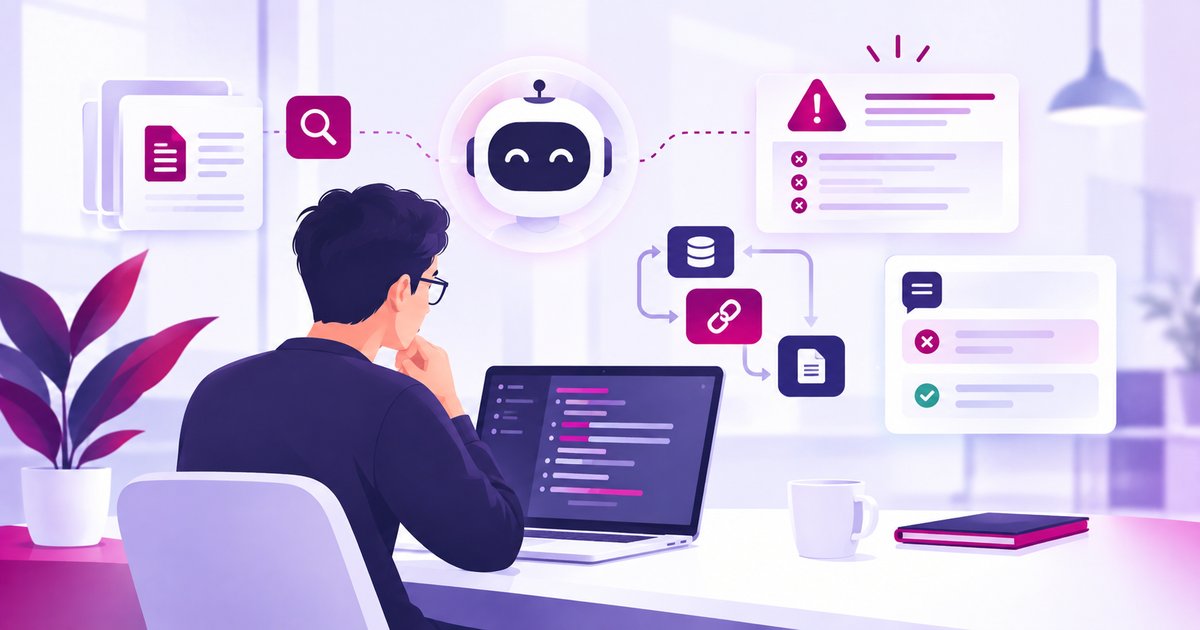 AI and automationWhy RAG systems fail in production (and how I debug them)RAG rarely breaks loudly. It hands the model evidence that is stale, partial or inapplicable, and the model believes it.
- Web and app engineeringiPhone Duo app development: does your app need it?Most iOS apps need a rebuild against the iOS 27.1 SDK and nothing more. The two-pane redesign sold alongside it is a separate decision.
 Inside unicrewHow unicrew Uses AI in Recruitment Without Losing the Human TouchMaria Oliinyk, unicrew's Head of Recruitment, explains where AI speeds up CV matching and client submissions, and why hiring decisions always stay human.
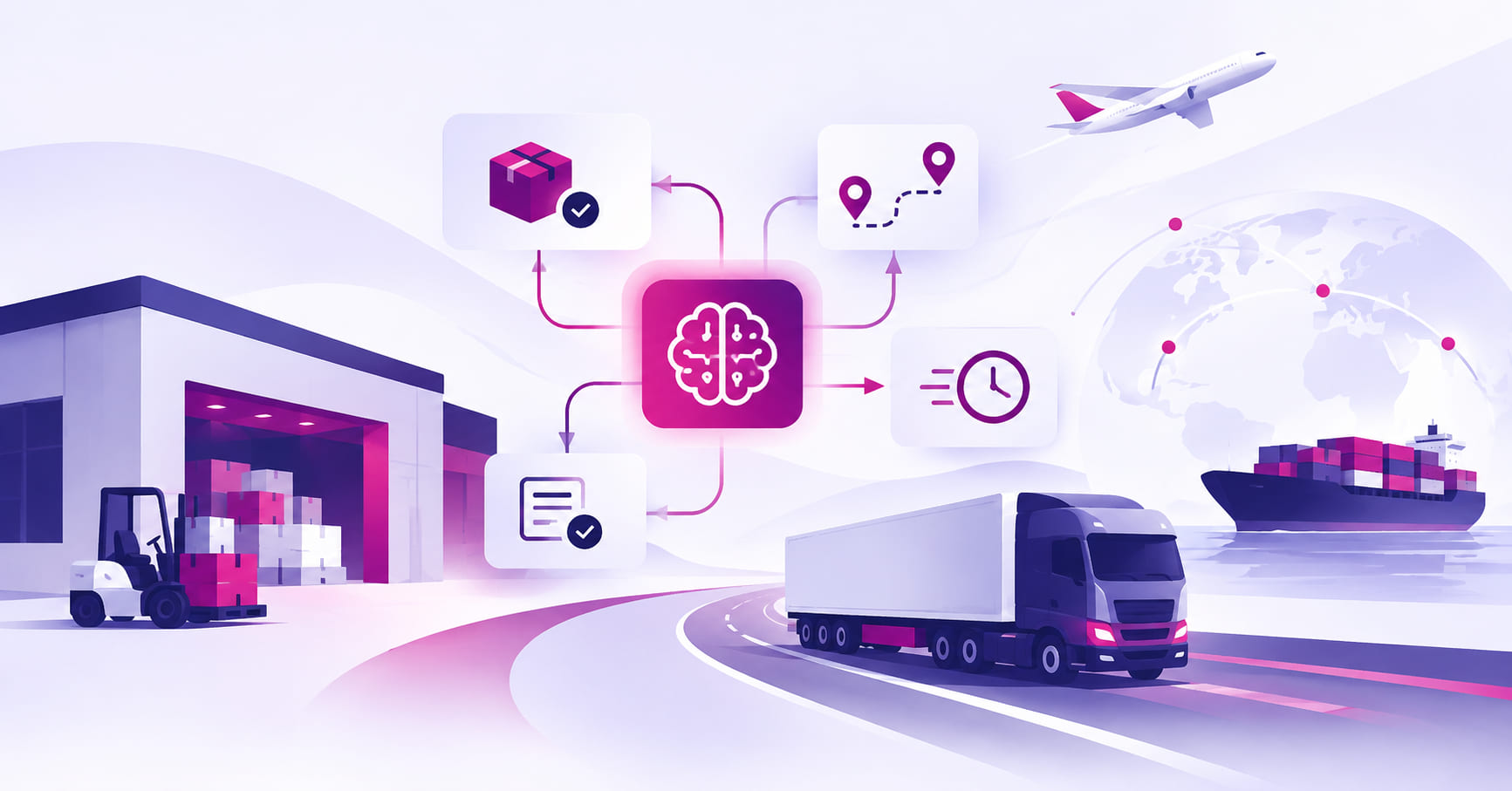 Logistics and supply chainWhat Agentic AI Workflows Actually Do in Logistics OperationsAgentic AI now handles scheduling, dispatch, and exceptions in logistics. See how it differs from RPA, and how moving and freight operators are using it.
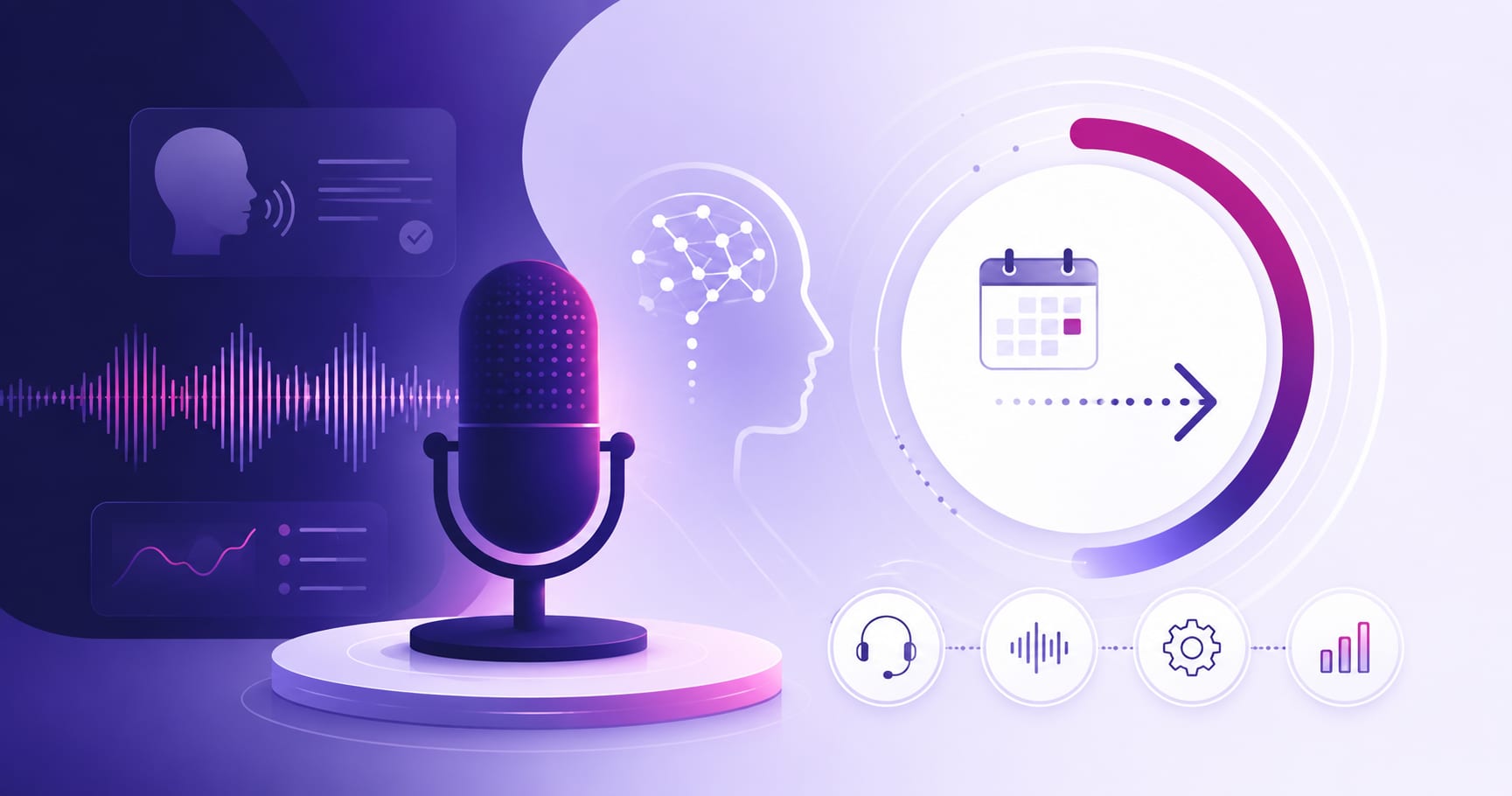 AI and automationHow to Run a Voice AI Proof of Concept on Your Own Data in 30 DaysA voice AI proof of concept proves value on your own call and chat data in 30 days, not months. See what a working conversation AI pilot actually includes.
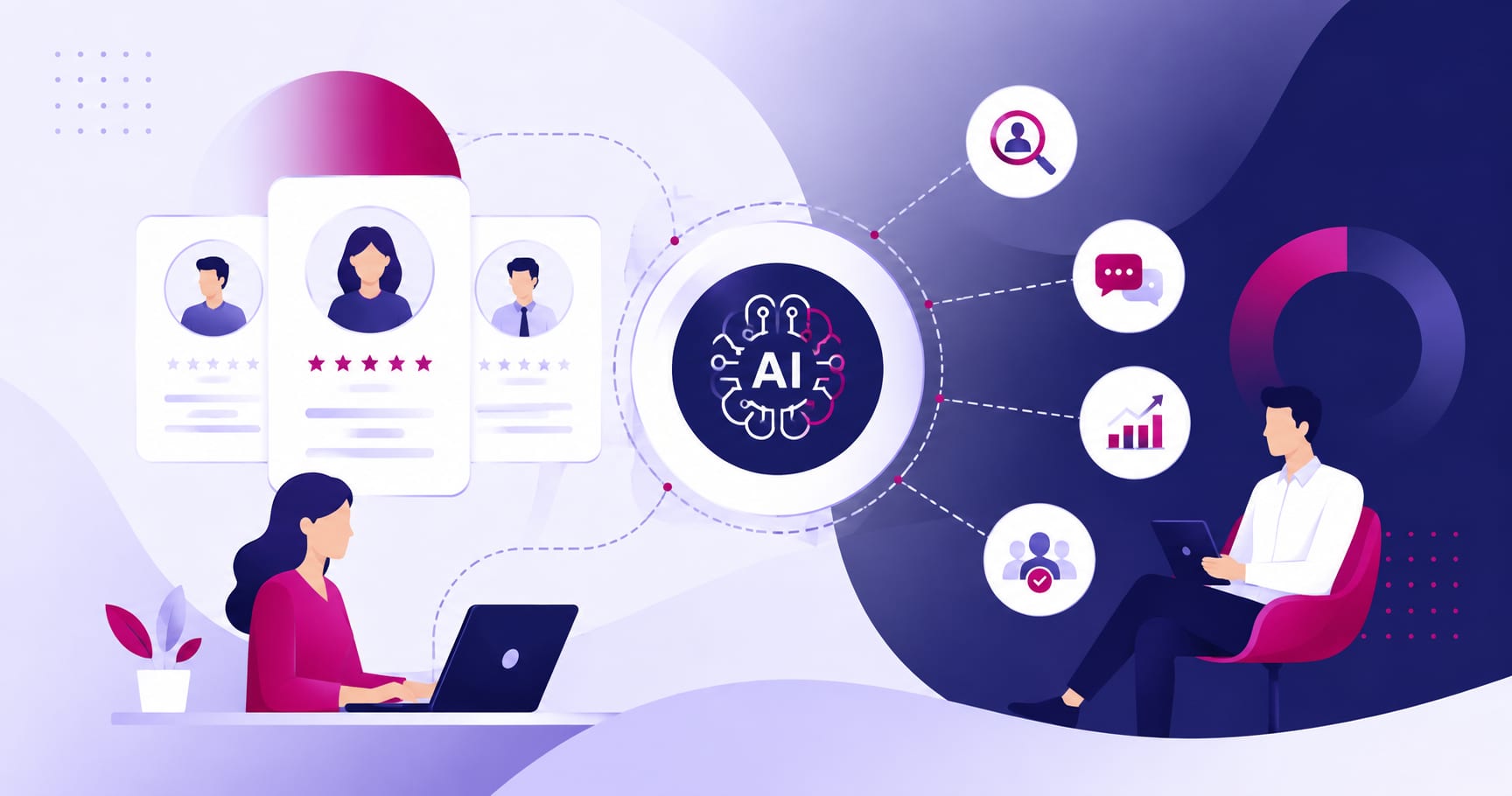 Inside unicrewInside unicrew’s AI-Powered HR: Faster Ops, Same Human JudgmentSofia Kirichenko, unicrew's Senior People Partner, on where AI speeds up HR work, and why hiring decisions, one-on-ones, and sensitive data stay human.
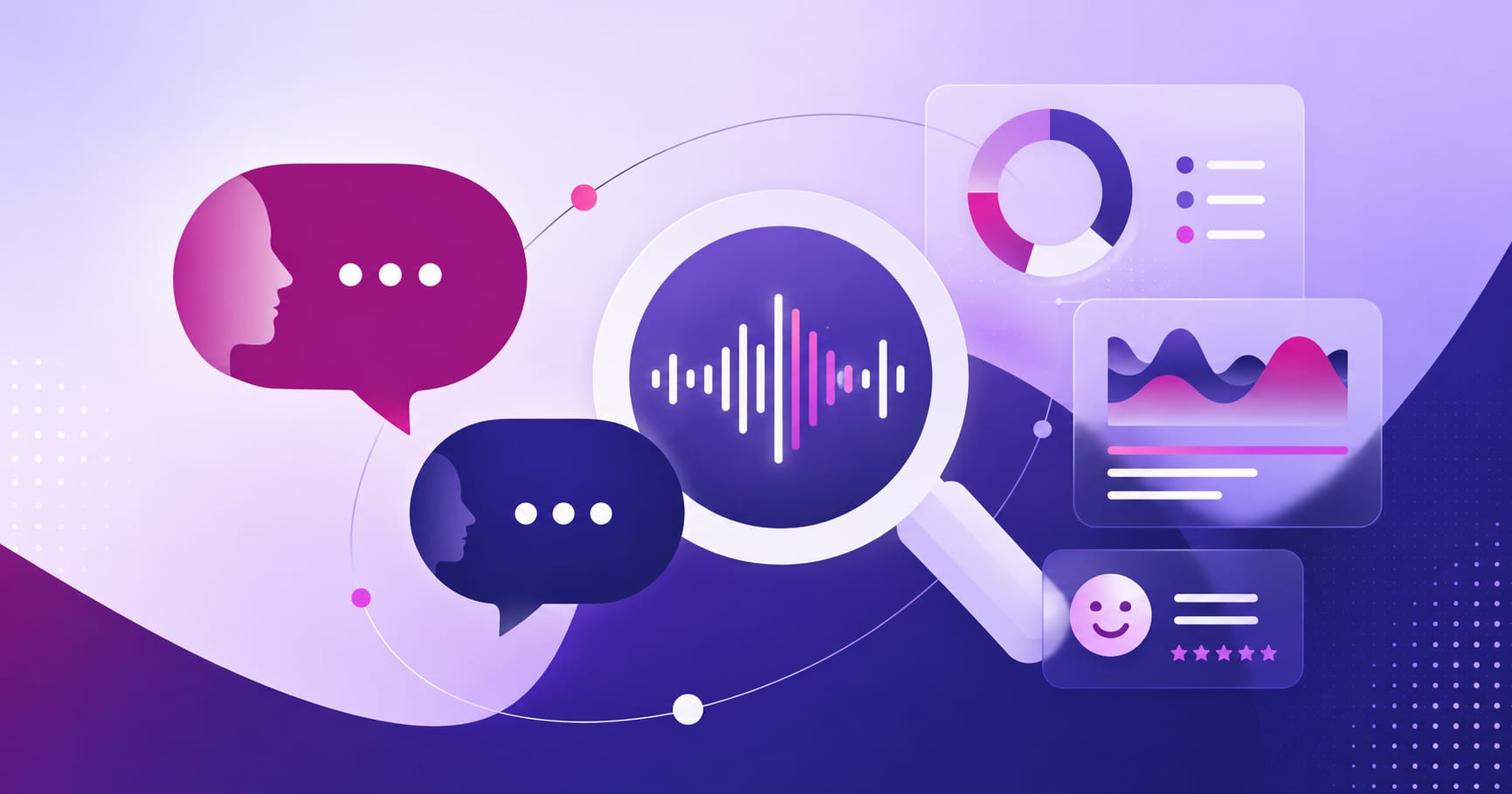 AI and automationConversation Analysis: Turning Calls and Meetings Into Structured InsightConversation analysis turns calls and meetings into transcripts, sentiment, and structured insight. Here's how the engineering pipeline actually works.
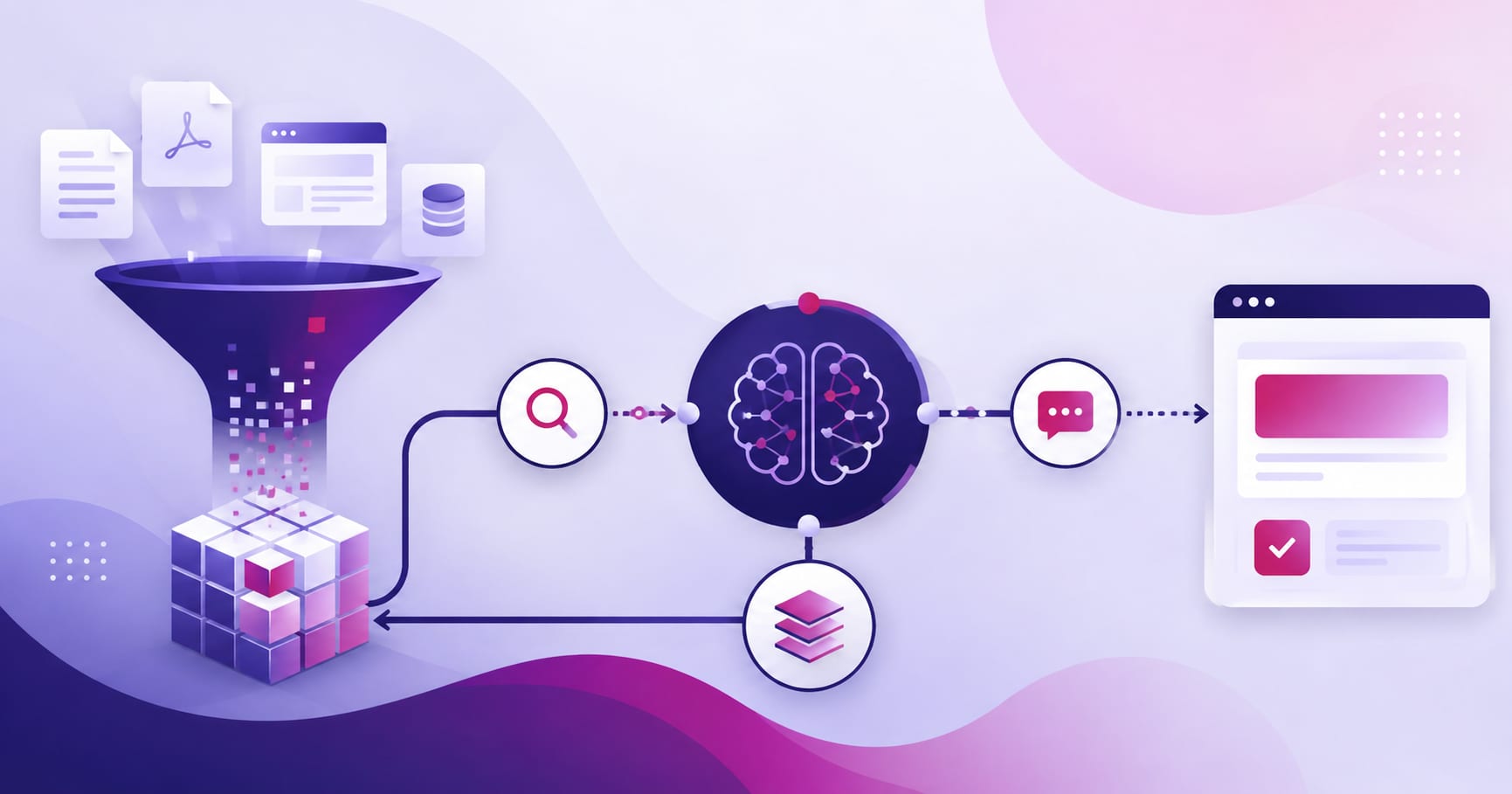 AI and automationRAG Implementation: A Builder’s Guide to Grounded AIA technical guide to RAG implementation: architecture, chunking, retrieval tuning, and evaluation, so your business AI answers from real data, not guesses.
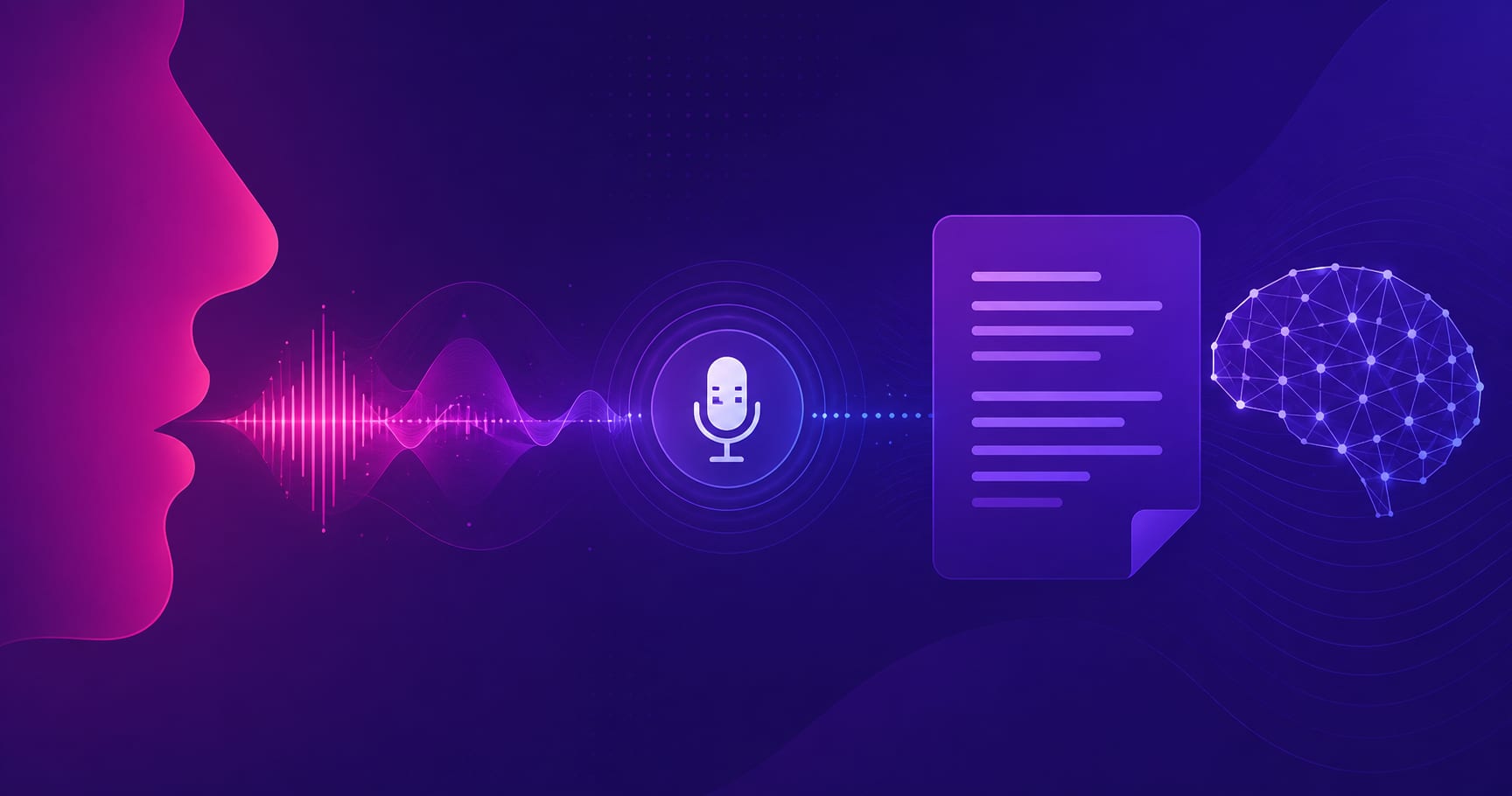 AI and automationVoice AI Development: How to Integrate Speech-to-Text Into Your ProductVoice AI development means wiring speech-to-text, speaker diarization, and real-time streaming into one pipeline. Here's how the stack fits together.
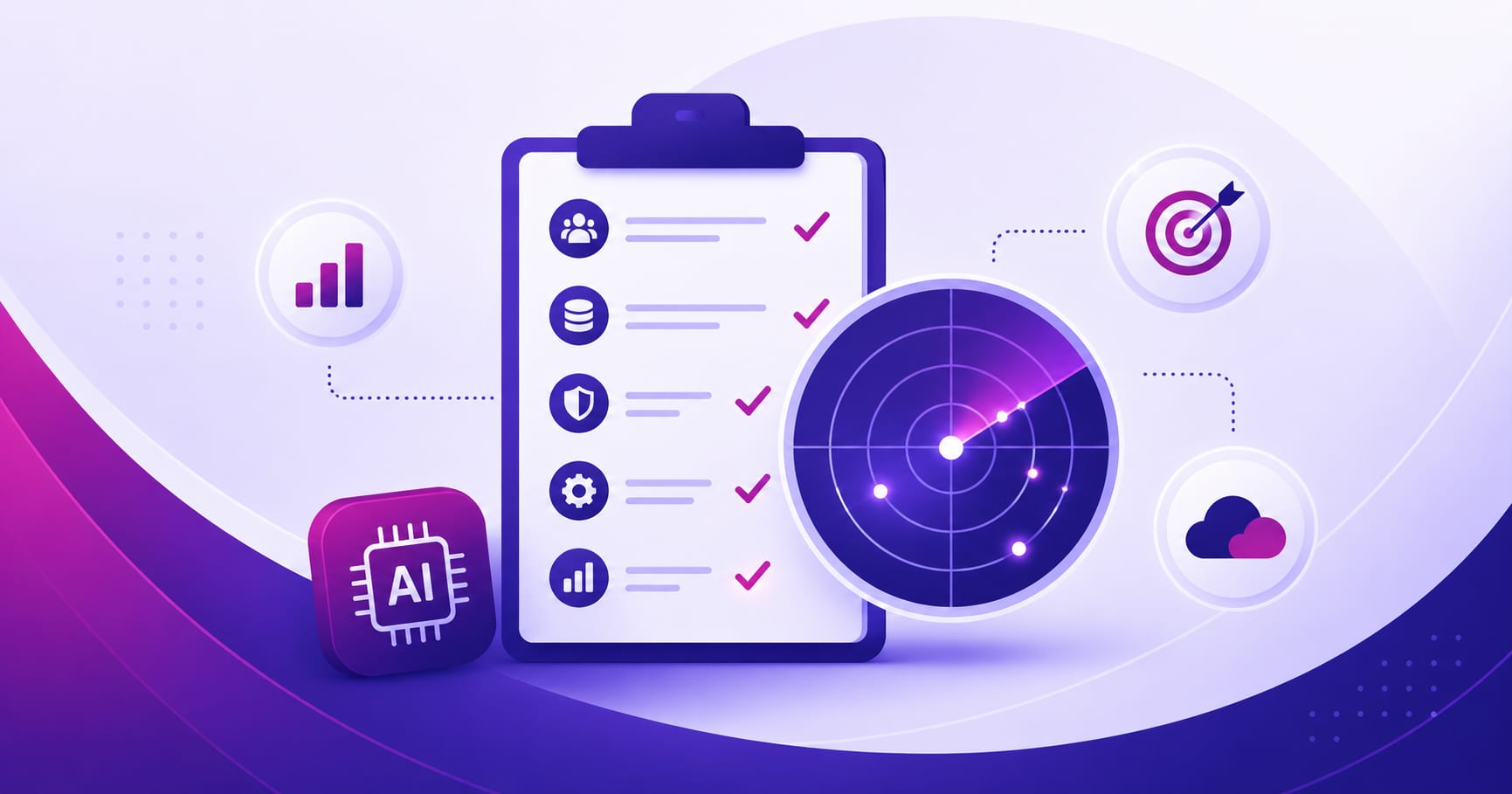 AI and automationWhat an AI Readiness Assessment Tells You to Keep, Rebuild, and CutA fixed-fee, two-week AI readiness assessment audits your codebase and data estate, then tells you exactly what to keep, rebuild, or remove before you scale AI.
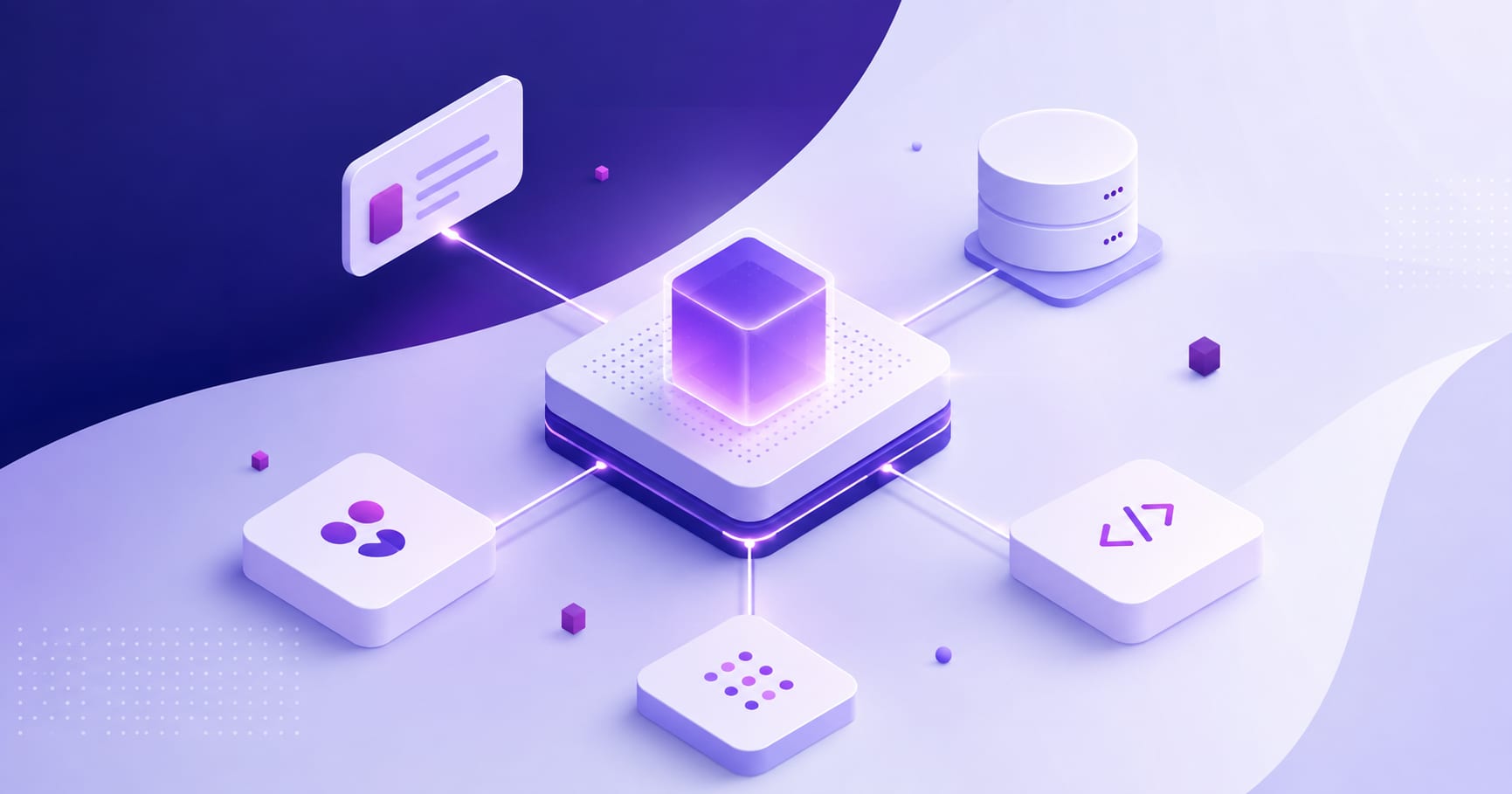 AI and automationMCP Explained: How AI Agents Plug Into Your ToolsModel Context Protocol (MCP) is becoming the standard that connects AI agents to your business tools. What it is, why it's spreading fast, and how to start.
 AI and automationWhy Most AI Agents Never Reach Production, and What Separates the Ones That DoMost AI agent demos never make it to production. Here's what production readiness actually requires: evaluation, guardrails, observability, and cost control.
 AI and automationAgentic AI Explained: A Guide for Technical LeadersAgentic AI plans, acts, and adapts without step-by-step instructions. See how it differs from chatbots, copilots, and RAG, with a real production example.
 Inside unicrewInside unicrew’s Company Day: how we celebrated 14 yearsunicrew marked Company Day 2026 and 14 years in business. See how the team, client base, services, and certifications have grown since 2012.
 Team models and hiringWhite Label Web Development: Pricing, Process, and PartnersWhite label web development lets agencies deliver custom sites and platforms under their own brand. See 2026 pricing, process, and how to pick a partner.
 AI and automationHow to Evaluate AI Integration Services Vendors in 2026Choosing the wrong AI integration services vendor is expensive. Here's the practical framework decision-makers use to vet partners before signing a contract.
 Engineering leadershipWhat Do CTO Consulting Services Actually Cover?CTO consulting services cover technology strategy, architecture, team building, and due diligence. Here is what each engagement model actually delivers.
 Web and app engineeringCustom Software vs. Off-the-Shelf: How to Make the Build-or-Buy DecisionLearn when to build custom software and when to buy off-the-shelf. A practical decision framework covering TCO, competitive advantage, and common mistakes.
- Energy and ETRMBuild vs buy ETRM software: how to decideBuild vs buy ETRM software: when to license a platform like ION/Allegro or RightAngle, when to build custom, and when a hybrid integration path wins.
- Energy and ETRMHow much does custom ETRM software cost?Custom ETRM software cost depends on scope. See the five drivers (modules, integrations, data migration, compliance, support) and how to control the budget.
- Energy and ETRMETRM vs CTRM: what is the difference?ETRM vs CTRM explained: CTRM covers all commodities, ETRM is the energy-focused subset. Compare scope, workflows, and platforms like ION/Allegro and Molecule.
- Energy and ETRMWhat is ETRM software?ETRM (Energy Trading and Risk Management) software manages the energy trade lifecycle: deal capture, scheduling, position and risk, settlement, and reporting.
 Web3 and blockchainHow to Build a Web3 Product in 2026: Architecture, Costs & What Teams Get WrongA practical guide to Web3 product architecture in 2026: layer-by-layer stack, real cost breakdowns, and the engineering mistakes most teams make too late.
 AI and automationWhat AI Agents for Business Actually Do, and Where People Still DecideAI agents for business are reshaping operations by automating workflows across finance, HR, and supply chain, without the headcount cuts most executives fear.
 ModernizationEnterprise Application Modernization: A Framework for 2026A framework for enterprise app modernization: portfolio assessment, phasing and AI-readiness, for the year Gartner expects AI agents in 40% of enterprise apps.
 Engineering leadershipWhen Is a Fractional CTO the Right Call?Fractional CTO or in-house hire? Compare costs, responsibilities, and decision triggers to find the right tech leadership model for your company's stage.

No articles match that search
Try a broader term, or clear the filters to see everything.
TopicTitleExcerpt03 / Answers
Questions buyers ask us most
Short answer first, then the full guide if you need the detail.
Is building an ETRM from scratch ever worth it?Rarely as a full ground-up replacement, and often as targeted custom modules. Recreating settlement, standard valuation, and core position keeping that a vendor already does well is hard to justify. Building is worth it when a differentiating strategy or commodity mix has no packaged answer, or when licensing scales badly against your volumes. Most firms build selectively and keep a platform for the commodity core.Read the guide Why do integrations add so much to the cost?Each integration is a small project of its own. A connection to a market data feed, an ERP, or an existing platform needs interface design, field mapping, authentication, and handling for the times the other system is slow, down, or sends bad data. Because every endpoint has its own format and failure modes, integration effort often grows faster than the number of modules, which is why it is one of the largest and most underestimated lines in an ETRM budget.Read the guide How long does it take to implement ETRM software?Timelines vary widely with scope. A focused custom module or platform integration can ship in a few months, while a full multi-commodity platform rollout across front, middle, and back office can run a year or more. The biggest drivers are the number of commodities and markets, data migration from legacy systems, and the depth of integration with scheduling, market-data, and finance systems.Read the guide How can a business get started with Web3 in 2026?Begin with a workflow that has a clear pain point (high data-breach liability, illiquid assets, audit-heavy supply chain, idle treasury). Identify the Web3 category that addresses it, pilot with one of the established protocols listed above, and integrate with your existing systems through APIs and managed wallets. Most enterprises start with a six- to twelve-week proof-of-concept before committing to a production rollout.Read the guide
04 / Keep in touch
Subscribe for updates
New writing on AI in production, modernization, and shipping software that works.