
Engineering services for software that has to keep running
Engineering services are the work of building software and then keeping it running: seven purchases here, from a first build through modernization to standing maintenance and delivery under an agency's brand.
01Work
Four kinds of engineering work, and they are bought for different reasons
The seven services below are arrangements of these four. Knowing which one you are actually buying is most of the decision.
Building something that does not exist
A platform, a product, an internal system. The risk is not the code, it is discovering in month four that the thing being built is not the thing that was needed. We scope in writing and ship in slices you can look at.
Replacing something that already earns money
The hard constraint is that it cannot stop. One platform came off WebForms onto .NET Core a module at a time, with the rest of it serving users while each piece moved. That is the shape of an honest modernization: sequenced, never a flag day.
Adding to something we did not write
Someone else's codebase, no documentation, and a roadmap that assumes velocity. The first sprint is reading, and any team that tells you otherwise is guessing at your architecture on your budget.
Keeping it alive for years
The unglamorous one, and the one that decides whether the other three were worth it. Maintenance and support is somebody accountable for monitoring and incident response, and somebody keeping dependencies current so an upgrade never becomes a project of its own. Skipping it is how a working logistics system turns into a rescue two years later.
02Services
The seven, and the one sentence that tells you which is yours
One row per service page. Nobody arrives knowing which of the seven they need, so the middle column asks what you already have rather than what you want built.
| Service | What you are actually buying |
|---|---|
| Custom software development | Nothing fitsThe default when off-the-shelf has been tried and the workarounds have become the process. An application shaped around how the business actually works: discovery, architecture, build and the QA inside it, owned end to end rather than split across three vendors. At a research university, the tool we built put around 40% more project leaders on tracked time instead of guessing at it.Custom software developmentOr book a meeting |
| Forward deployed engineering | It needs one ownerOne senior, AI-native engineer inside your team who owns the work from requirements and customer conversations to testing and release, with AI in every role and every output reviewed. At a German edtech platform, our engineer inside its search team owned features end to end, and a controlled experiment showed a roughly 9% lift in search success.Forward deployed engineeringOr book a meeting |
| Web application development | It lives in a browserSoftware your customers and staff open in a browser: the frontend, the backend and the integrations underneath, rather than pages a builder could produce. We put the browser front end onto a hotel-content platform that until then had only an API.Web application developmentOr book a meeting |
| Mobile app development | It has to be on a phoneThe app itself, the backend behind it and the store release, including the review process nobody budgets for. React Native, Flutter or native comes later, decided by what the app has to reach. At a German software vendor we joined the team on iOS and Android apps built on the company's existing web client, and implemented new features for layout, theming and video streaming.Mobile app developmentOr book a meeting |
| Legacy modernization | It cannot stopIt starts with the one module blocking you, and the old and the new run side by side while it moves, because a rewrite that goes live in one weekend is a bet on being right about everything at once. A paddle-sports rental business reports revenue up 15-20% after its modernization, from efficiency gains and accurate time tracking.Legacy modernizationOr book a meeting |
| Maintenance and support | It works, unownedSomeone accountable for uptime, dependencies, security patches and the small changes the business keeps asking for. We have run one waiver platform for gyms and studios since January 2014, and it has gone from a couple hundred companies to around 2,000.Maintenance and supportOr book a meeting |
| White-label web development | You are the agencyDelivery under your brand and your client relationship, engineered by our own employees rather than a subcontracted bench. One agency partner has us maintain all of its clients' platforms, not only build them.White-label web developmentOr book a meeting |
03Fit
The right purchase for each situation, and where custom engineering fits
Each situation below has a right first purchase, and for some it comes before a custom build: analysis, an audit, or a configured tool. Settling that first costs less than finding out in month four.
| Your situation | What we recommend |
|---|---|
| A product that a configured SaaS tool would do 90% of | Configure and integrateConfigure the tool and integrate it with the systems around it. Custom software earns its cost when the difference IS the business, and that is where we build it. |
| Nobody internally can say what the system must do | Analysis firstThat is business analysis or a design sprint, and it is a fraction of the cost of discovering the same thing in month four. Engineering after, not instead. |
| A working system, and the real problem is that nobody uses it | UX audit firstA rebuild alone carries the same flow into nicer markup, so start with a UX audit: a diagnosis of where people give up, and a prioritized list that sizes the fix, from three screens to a full redesign. |
| You need engineers inside your own team, under your own lead | A different modelThat is team extension, not a delivery engagement. Same engineers, a different question about who owns the outcome, and it is billed monthly per person rather than against a scope. |
| A legacy system that still earns, and a board that wants it replaced in one go | Modernize, in slicesWe will take the work, and we will argue against the shape. A big-bang cutover concentrates every unknown into one weekend. Module by module is slower on the plan and faster to the point where it stops hurting. We have done it the other way too, and that complete rewrite and server migration is written up in full. |
| It works, the original team has gone, and nothing is written down | Support firstTake ownership before taking direction. A few weeks of running it produces a map that no amount of planning would have; the roadmap conversation is better after it. |
How we work
100+ senior in-house engineers across six countries. ISTQB-certified QA sits inside every sprint, on every engagement, rather than as a phase at the end. We are certified to ISO 27001:2022 and ISO 9001:2015, both audited by Quay Audit UK. Three ways to be billed: time and materials, fixed price, or team extension per person per month. Most engagements start within two to four weeks, and there is no minimum engagement period.
04Delivery
What we do in the first month, before writing much
Four steps, on a blank repository or on a system somebody else wrote fifteen years ago. What changes between the two is how much of it is reading.
- Read what exists, including the parts nobody mentionsThe codebase, the database, the integrations, and the spreadsheet the finance team maintains by hand because the system cannot do it. That spreadsheet is usually the requirement. From you: repository access and an hour with whoever knows the workarounds.You getA written read of the system as it is
- Agree what done means, in writing, before the estimateScope, the things explicitly not in it, and the sequence. An estimate without a written boundary is a number that will change, and both sides know it. From you: someone who can settle a disagreement about priority without calling a meeting.You getScope, exclusions and sequence
- Ship something real in the first weeksA thin slice that goes through the whole stack, deployed where you can click it. It surfaces the integration that turns out to be undocumented, which is the risk that actually moves timelines. From you: a person who will use it in the first week and say what is wrong.You getA deployed slice, not a demo
- Put QA in the sprint, not after itISTQB-certified QA engineers sit in the sprint that made the defect. Defects found there are cheap; the same defect found in production is not. From you: the security and compliance requirements your own customers impose on you, if there are any.You getTest coverage from QA inside the sprint
The right engineering service depends on what you already run. Whichever it is, we plan the work around who will look after the software in three years. That decides the team we put on it.
 Ihor PrudyvusDelivery Director, unicrew
05Proof
Engineering work with the write-up attached, from a first release to a platform we still run
 SaaSWaiverKing: Software Development for Waiver Form CreatorWaiverKing is a document management business serving primarily the health and fitness industries. The platform is partnered with MindBody Online, one of the largest business-systems providers for gyms and yoga studios.Weeks to hoursTime for an update to reach live
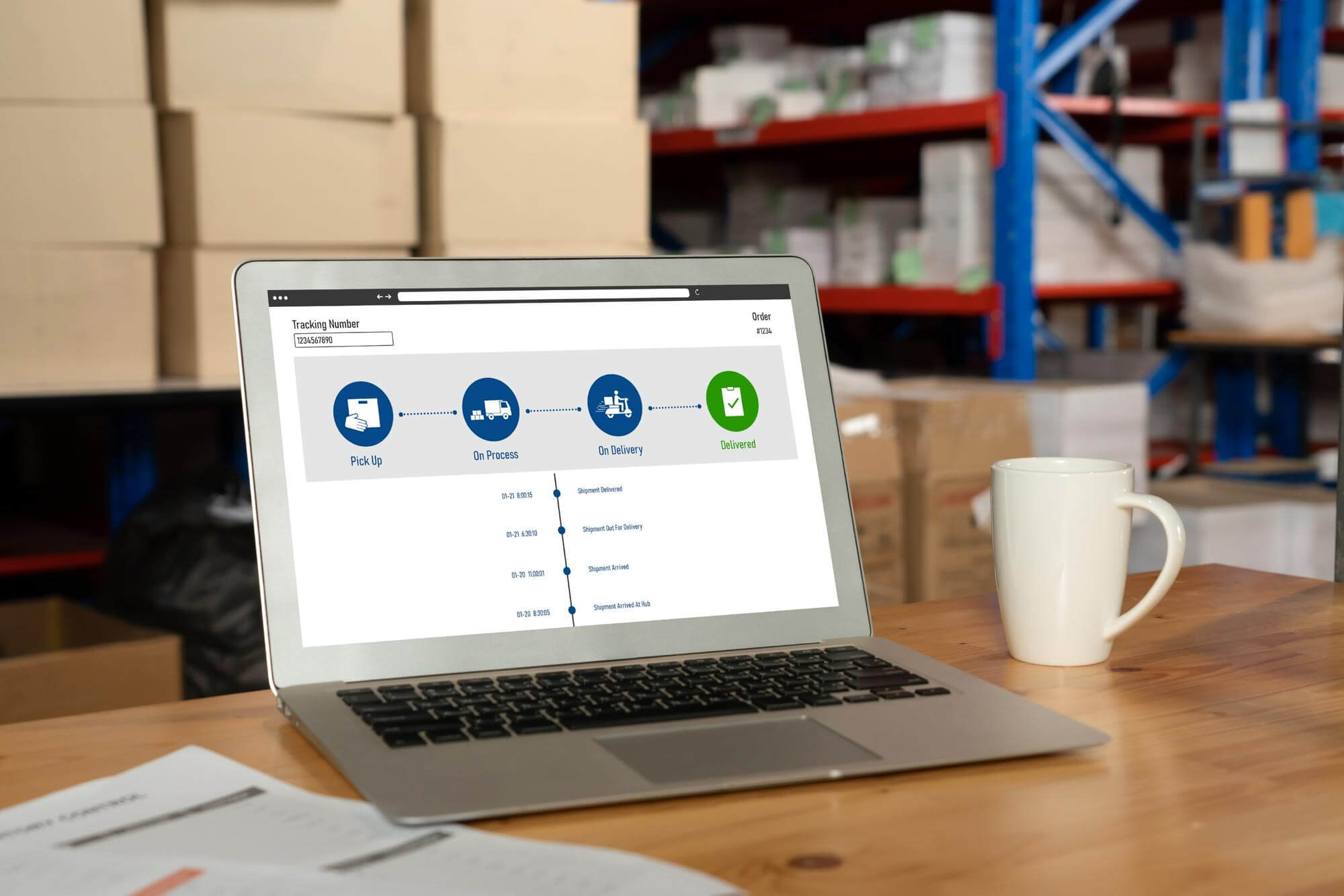 LogisticsMiniMoves Orders Management PlatformA custom-built moving order system that simplifies booking, boosts automation, and improves operational efficiency.Double digit growthMaintained without a substantial increase in staffing
 LeisureSaaS modernization for Paddle Sports Center in CaliforniaA kayaking and paddleboard rental business in the Santa Barbara area wanted one system for equipment, customers, time and billing. That system is Adventure Rental System.15-20%Increase in revenue
- HospitalityA shippable web GUI over an API-only hotel-content applicationunicrew produced a shippable, well-received web GUI over an API-only application.
 AutomotiveService Intelligence: App for vehicle maintenanceunicrew helped eAutoClub launch Service Intelligence, an app that works out what service a vehicle needs from how it is actually used.
- EducationThe custom time-tracking tool that got around 40% more project leaders tracking time at RWTH Aachen Universityunicrew built a custom time-tracking web app for a research group at RWTH Aachen University, in place of spreadsheets or off-the-shelf software.~40%More project leaders tracking time

06Clients
Five clients, five different purchases from the table above
They’ve been helping us grow our platform together since the beginning, from a couple hundred companies to around 2,000. Artelogic has been front and center in this process.
Shippable and well received web GUI for previously API only application. The whole team is highly dedicated to the success of the project and delivers the planned artefacts on time. We are very happy to have chosen Artelogic.
The project led to the release of our production apps and a prototype showcasing new features. They were reliable, responsive, and consistently addressed our needs very well. We were impressed by their strong technical and interpersonal skills and how smoothly they adapted to our team, processes, and product.
The goal was to replace legacy UI elements with new UI components. The new UI components already existed, key challenge was to map the existing implementations to the new ones while not losing functionality. They were super responsive and did exactly as we agreed upon. The colleague they send to us was an extremely good fit to the problem that we have described.
Our previous developers had no code repository and no best practices in place, but Artelogic uses a proper infrastructure. Their quality of work in terms of getting a proper system in place, their level of communication and transparency, and their fantastic experts really impress us. They truly feel like our partners in this engagement.
07Questions
What teams ask before committing to a build
Seven services: forward deployed engineering, custom platforms, web applications, mobile apps, legacy modernization, maintenance and support, and white-label delivery for agencies. One team owns the product end to end, so nothing falls between a design shop, a dev shop and a support vendor. Which of the seven you need is usually decided by what you already have running, not by what you want built.
Both. One logistics platform started here as a blank repository; another arrived as a legacy system built over a number of years that needed the code completely refactored. The same applies to what sits around it: most of this work has to talk to systems you already run and cannot switch off, from a payment provider to an order system nobody wants to touch, and mapping those dependencies is the first week rather than a surprise in month three. An aging platform is modernization; one that works and needs to keep working is maintenance.
Cost depends on scope, team size and seniority, so we scope before we quote. What we can tell you up front is the shape: three billing models, time and materials, fixed price, or team extension billed monthly per person. Most engagements start within two to four weeks, there is no minimum engagement period, and the written scope comes before the number rather than after it.
ISTQB-certified QA sits inside every sprint, on every engagement, rather than testing at the end. We are certified to ISO 27001:2022 and ISO 9001:2015, both audited by Quay Audit UK. One client had the code we refactored audited by a 3rd party, who was extremely complimentary of the work.
Because a day rate compares two teams on the wrong axis: what a team costs per day tells you nothing about how much of your roadmap it delivers, and the cheaper rate is frequently the more expensive year. We quote against a written scope, and the scope is the thing worth arguing about on the call.
What teams usually pair this with
All servicesTell us what it has to do
Send the repository, the spreadsheet, or a paragraph describing the problem. You get an engineer's read of which of the seven this actually is, what we would build, what we would leave alone, and in what order, sized to what the problem needs.