
Logistics software development for fleets, warehouses and freight desks.
We build custom TMS, WMS, order, and supply chain software for transportation and logistics companies, fixing the routing, warehouse, and coordination problems that cost you deadlines and revenue.
Build from scratch, extend the ERP you already run, or both. We will say which fits on the first call, and where your platform already covers the work, we build around it.
- 120+Projects delivered across 12 countries since 2012
- 100+Senior in-house engineers, six countries
- 2 to 4 weeksTypical time from signature to start
- ISTQBCertified QA inside every sprint
- ISO 27001Certified security practice, audited by Quay Audit UK
 Trusted by MiniMovesAmerica's only national moving company uniquely focused on helping people move small shipments locally, state-to-state, and to international locations around the world.
01Overview
What logistics software development actually covers
Logistics software development is the building, integration, and modernization of the systems that run transportation, warehousing, orders, and supply chain, and unicrew (founded 2012, formerly Artelogic) works as a custom development and integration partner: bespoke tools where nothing fits, extensions to the platform you already run where something does. In this sector we publish four case studies: MiniMoves in Chicago, Cloud Van Lines in Boston, Bitergo in Dortmund, and a freight platform for Mover Technologies in Florida. You rarely need all four layers below.
- Move and deliverEverything between the order and the door: who carries it, on what route, at what price.
- Transportation management
- Dispatch and driver ops
- Route and ETA calculation
- Store and fulfilThe building and the stock inside it, from receiving through to a picked, packed order.
- Warehouse management
- Order and inventory
- Returns and exceptions
- Connect and settleThe unglamorous half: partners, documents and money moving between systems.
- EDI and carrier APIs
- ERP and accounting
- Billing and settlement
- See and decideOne version of operational truth, current enough to price and plan capacity against.
- Reporting and BI
- Shipment visibility
- Voice and call data
02Compare
Where logistics operations quietly lose money
Logistics operations lose money in five recurring places: dispatch coordinated by phone and spreadsheet, stock counts that disagree across channels, shipment status the customer has to ring for, work the ERP does not cover being done by hand, and reporting that arrives after the decision. Each row below names the system that closes one, and links to it.
| What we hear | What it costs you | What we build |
|---|---|---|
| “Dispatch runs on phone calls, messages and a spreadsheet.” | Empty miles, missed pickups, drivers waiting | A dispatch board with route and ETA calculation, wired to your TMS and driver app.How we build custom systemsOr book a meeting |
| “The warehouse knows one stock number, the website knows another.” | Oversells, manual counts, refunds | A warehouse system with real-time inventory sync across channels and one source of stock truth.Warehouse management buildsOr book a meeting |
| “Customers phone in to ask where their shipment is.” | Hours of support time every week | A tracking surface fed by carrier APIs, EDI status events and container telematics, with proactive notifications.Freight and carrier APIsOr book a meeting |
| “Our ERP covers most of it and the rest is done by hand.” | Re-keying, parallel processes, no audit trail | A custom layer on top of Odoo, Dynamics 365, Sage 300 or NetSuite for the part that does not fit.Custom ERP for logisticsOr book a meeting |
| “Reporting arrives a week late, in a spreadsheet.” | Pricing and capacity decisions on stale data | A BI layer over one operational data store, refreshed on a schedule your desk can plan against.Data and BI engineeringOr book a meeting |
03Solutions
Logistics software solutions we deliver
Nine solutions, grouped by where they sit in your operation. Each card says what changes on the floor, not just what the software is called.
Software for managing every type of transport, from a single depot to a mixed fleet, built around how your desk books work.
- On the floor
- Loads, carriers and rates in one place
Custom navigation and geospatial tooling that calculates transportation time and builds a routing system around your constraints, not a generic map.
- On the floor
- Routes and ETAs your desk can promise
Automation across the chain that simplifies planning and makes payment and transaction flows more secure and traceable end to end.
- On the floor
- One chain, visible end to end
Manage your key processes and performance indicators with a warehouse system developed for your layout, your SKUs and your peak-season volumes.
- On the floor
- One stock number, and picks against it
Automate and centralize order management, easing inventory work and the handling of recurring or repeat orders across channels.
- On the floor
- Fewer manual touches per order
Automate financial processes with accounting software our developers integrate directly with your third-party providers and systems of record.
- On the floor
- Invoices that match the load
Departments, warehouses, carriers and fleets connected over APIs and EDI. We build EDI order-collection tooling and integrate smart-container telematics.
- On the floor
- Partners connected once, properly
Make data-driven decisions, reduce losses and lift operational efficiency with BI integrated into the systems your team already uses.
- On the floor
- Yesterday's numbers, this morning
Migrate logistics software to a reliable cloud and keep it safe, observable and scalable as peak-season volumes change.
- On the floor
- Holds up through peak season
Driver calls and dispatch notes, turned into structured data
The conversation and voice patterns we run in our own AI products apply directly to logistics operations: driver calls, dispatch notes and customer calls become searchable records your team and your BI can actually use. Proven on our own bill, in production.
04Stack
What we build and integrate with
The stack behind our logistics work, and the ERPs we configure, extend and connect to your other systems of record. Running something not on this list? Send your integration list with the enquiry and we will map what connecting it takes before you commit to anything.
 React
React Angular
 iOS
iOS Android
 ASP.NET
- ASP.NET MVC
- .NET
 Java
Java PHP
PHP- REST API
 AWS
AWS Azure
Azure
 Odoo
Odoo- Microsoft Dynamics 365
- NetSuite
 Sage 300
- ePROMIS
05Approach
Build it, extend what you run, or both
Three routes. We will say which fits your operation on the first call, including building around the platform you already run.
- Route 01
Build custom logistics software
BespokeWhen your routing, pricing or fulfilment workflow is unique and no packaged system fits, we design and build the TMS, WMS, order or supply chain tooling to your spec, so you own a differentiated capability rather than renting someone else's.
- Choose this when
- The workflow is how you compete
- Route 02
Integrate or customize a platform
Platform workWhen an ERP already covers the standard workflows, we choose, configure and extend it. We integrate and customize Odoo, ePROMIS, Microsoft Dynamics 365, Sage 300 and NetSuite, and connect them to your other systems of record.
- Choose this when
- Most of the process is standard
- Route 03
Blend build and integrate
BlendedPackaged platforms handle common workflows but rarely match a desk's exact strategy, data or reporting, so we integrate the platform and build a custom layer on top.
- Choose this when
- Best-fit coverage now, room to extend later
In logistics, one shipment exists in five systems, including carrier APIs, EDI and telematics feeds. So we build the integration layer first. A duplicate event is recorded once, each partner flow runs independently, and one reconciliation path always knows where a load is.
 Oleksandr TrofimovCTO & Co-Founder, unicrew, who leads our transportation and logistics work
06Delivery
How the engagement works
Four stages, and the first two exist to make the third cheap. We map the operation with the people who run it, come back with a costed route, then ship the highest-pain workflow first against your real data. Most engagements start within two to four weeks of signature.
- Discover and mapWe walk the operation with the people who run it, then map the workflow, the data, and the point where your current platforms stop.You getA workflow, data and platform-gap map
- Architecture and planBuild, integrate or blend: we recommend the route, the architecture and the order of delivery, with cost attached, so you are deciding against a plan rather than an estimate over email.You getA costed, sequenced build plan
- Build in slicesThe highest-pain workflow ships first against your real data, in front of dispatchers or warehouse staff, before the rest of the scope is committed. Each increment ends in software you can run.You getWorking software you can put in front of staff
- Run and modernizeWe keep it running and secure, and modernize module by module as volumes and the operation change. Platform replacements go module by module so the operation keeps running throughout.You getSupport, cloud maintenance, and the next module
07Security
Security, quality and how we handle your data
A logistics platform accumulates regulatory obligations whether or not anyone planned for them: hours-of-service records, customs documents, dangerous-goods rules, chain-of-custody trails, and personal data about drivers and consignees. Six below, each with what it actually constrains in a build. Then what unicrew holds, and how we work inside your systems.
Hours of service and ELD
FMCSA rules in the US, tachograph and Mobility Package rules in the EU decide whether your board may legally offer a load to a given driver.
- In a build
- Data reaches the planner, not a portal
Customs and export filing
Export declarations and commercial invoices turn a shipment record into a document-generation problem with its own retention and audit rules.
- In a build
- A data-model decision, made early
Electronic consignment notes
The European e-CMR replaces the paper consignment note with a signed digital record shared between shipper, carrier and consignee.
- In a build
- Signed records, not a PDF export
Dangerous goods classification
DOT hazmat in the US, ADR in Europe. This constrains what may be consolidated onto which vehicle, and with what documentation.
- In a build
- Routing logic, not a paperwork step
Supply chain security programmes
C-TPAT and AEO impose an audit trail over who touched a consignment and when, across every party in the chain.
- In a build
- Event sourcing, costly to retrofit
Personal data under GDPR
A platform gathers it without anyone deciding to: driver identities and location histories, consignee names, addresses and phone numbers.
- In a build
- Retention and erasure, designed in
ISO 27001:2022 and ISO 9001:2015
Information security and quality management, both renewed through a multi-stage audit with Quay Audit UK.
- In a build
- The controls procurement asks about
ISTQB-certified QA in the team
Delivery runs with certified QA engineers inside the team rather than a test pass bolted on at the end of the build.
- In a build
- Defects stopped before the floor
Least-privilege access, agreed first
Contracts and NDAs before anyone starts. On a build engagement we work from access agreed with your technical contact, never write access to production during discovery.
- In a build
- Read-only where the work allows
08Proof
Why logistics clients choose unicrew
Named platforms, verified reviews, and clients who grew on what we built, several of them still running the systems years later.
- Logistics platforms with names on themMiniMoves in Chicago, Cloud Van Lines in Boston and Bitergo in Dortmund all publish verified Clutch reviews of the platforms we built; a freight platform for Mover Technologies in Florida makes four. In his 2022 review, MiniMoves' VP of IT writes that enhancements to the order management system "increased productivity and allowed us to maintain double digit growth without a substantial increase in staffing".4published logistics case studies
- Freight and moving software since 2009Mover Technologies' founder writes that "We started working with Artelogic in 2009 and we continue to build the system", across a freight-management platform and its iOS and Android apps. On the outcome he writes: "Our most significant success yet was selling Auto Transport Plus for a seven-digit figure. We were bought out four months after completion and invested much of that revenue into Cloud Van Lines." That is the same Cloud Van Lines named above, built by the same team. He is describing work done under our former Artelogic brand.2009the year this client started with us
- Voice AI for operations, from productionThe conversation and voice patterns we run in our own products (Snaplore, Talkmetry) apply directly to logistics operations: driver calls, dispatch notes, and customer calls turned into structured, searchable data. Proven on our own bill before we recommend them. See AI integration services.AIrun in our own products first
09Client voices
What logistics clients say
I’ve been impressed by their work ethic and how they put me as the customer first. They’re always ready to jump in and go the extra mile. They put great effort into communicating to ensure that tasks are updated in a timely manner. The team keeps us apprised of exactly what they’re working on.
They’re a highly ethical and well-managed organization. I was amazed by the CEO’s skill level and business acumen.
After launching the site we saw a rapid increase of test accounts ordered by potential customers. Now the site provides a steady source of sales leads.
I’m consistently humbled by Artelogic’s performance. Projects of this caliber are hard to outsource. Teams come and go, and this type of work almost never gets done. They’ve kept their priorities straight as they’ve grown and always deliver.
10Case studies
Logistics platforms we built and still support
Three builds, three different starting points: a bespoke order platform, a full SaaS for a moving company, and a warehouse app store that scales from start-ups to 4PLs.
See all case studies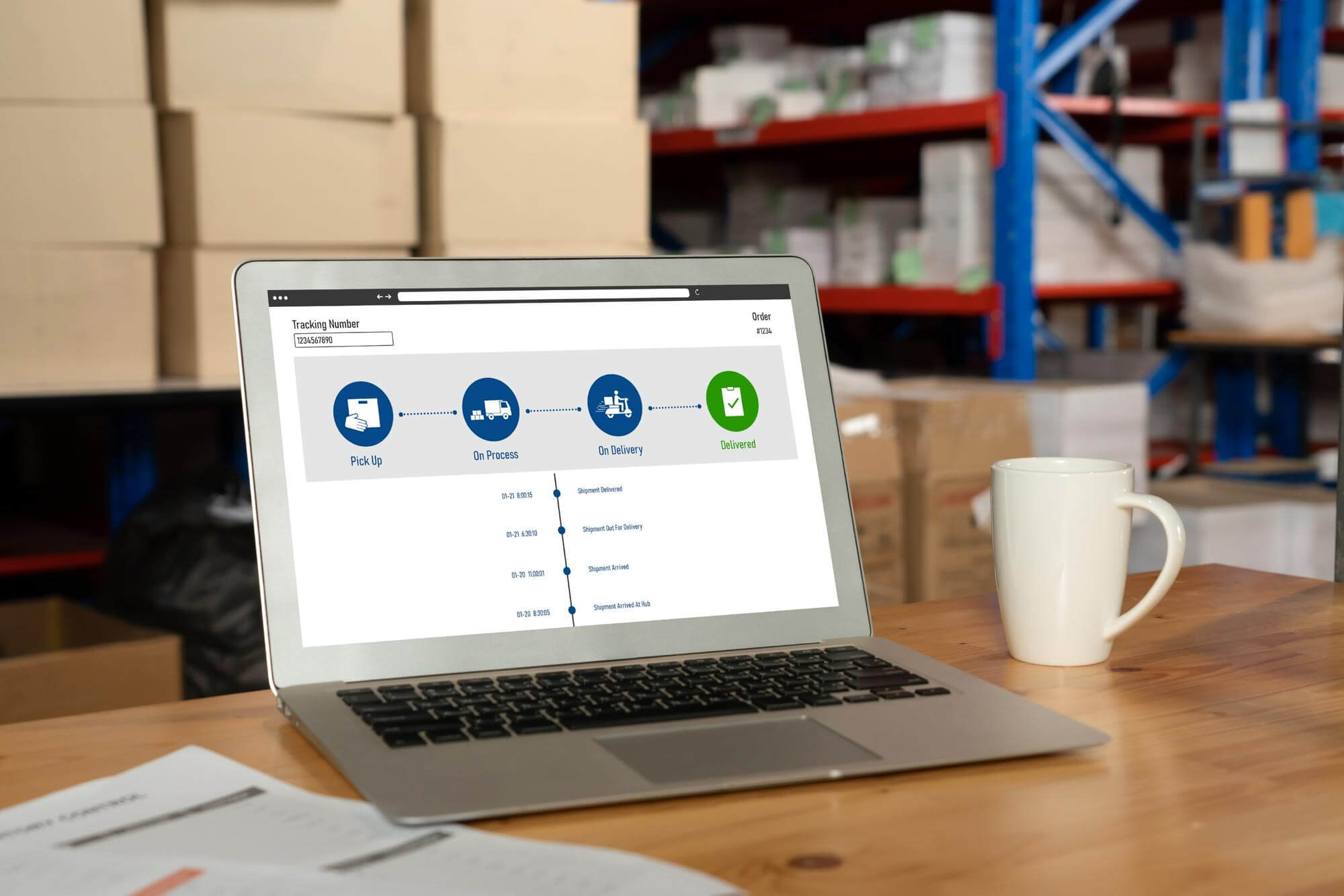 LogisticsMiniMoves Orders Management PlatformA custom-built moving order system that simplifies booking, boosts automation, and improves operational efficiency.Double digit growthMaintained without a substantial increase in staffing
 LogisticsCustom software for USA moving companyAn end-to-end SaaS platform for managing household moves and every business operation of a logistics company.Built from scratchAn end-to-end SaaS for household moves and the operations behind them
 LogisticsApp Store for warehouse managementOur client Bitergo offers a collection of business apps to optimize warehouse management, scalable from start-ups to 4PL companies. Given the business drivers, the client decided to upgrade the front-end of all their applications to the latest version of Angular.Rapid increaseOf test accounts ordered by potential customers after the site launched
11Questions
Logistics software development: frequently asked questions
It is building software around the exact workflow of your operation, a TMS, WMS, order-management or supply-chain tool, when no packaged system fits. It is the right route in two situations: your routing, pricing or fulfilment workflow is the thing you compete on, or a platform covers most of the process and the rest is being done by hand. Where neither is true, the platform you already run is the right foundation, and we integrate around it.
Streamlined processes and less manual work, more visibility and control for your customers over their shipments, lower costs through better resource use and route planning, and a system built to scale as your operation grows and to integrate with the rest of your tech stack.
We integrate and customize Odoo, ePROMIS, Microsoft Dynamics 365, Sage 300, and NetSuite, connecting them to your other systems of record. When a packaged platform doesn't match your desk's exact workflow, we build a custom layer on top of it. unicrew works as a custom development and integration partner, and nothing we earn depends on which platform you run.
Yes. We take the workflow carrying the most operational pain, ship it as a working slice against your real data, and put it in front of dispatchers or warehouse staff before the rest of the scope is committed. From there the build continues in short increments, each ending in software you can run rather than a status update. For platform replacements we go module by module so the operation keeps running throughout.
Yes. We connect inventory, order-tracking, and billing systems through APIs for real-time data sharing, and we can split functionality into independent microservices, for example route optimization or cargo tracking, so the system stays scalable, maintainable, and resilient if one service fails.
We work on three engagement models: time and materials billed hourly and quoted per project, fixed price quoted per project against an agreed outcome, and team extension billed monthly per team member. Which one fits depends on how firm the scope is, and we recommend one at the end of discovery rather than before it. Most engagements start within two to four weeks of signature.
Contracts and NDAs are signed before anyone starts. We work from least-privilege access agreed with your technical contact, read-only where the work allows, with no write access to production during discovery, and inside your own cloud where your customers or insurers require it. QA is ISTQB-certified, and unicrew holds ISO 27001:2022 and ISO 9001:2015, audited by Quay Audit UK. GDPR covers the driver and consignee data a logistics platform accumulates, and hours-of-service, customs, dangerous-goods and supply-chain-security rules are scoped against your operation at discovery.
Describe the operation, get a straight answer on what to build
A call with a senior engineer who has shipped transportation and warehouse work, not a sales qualifier. You leave with an opinion on scope, sequence and route.
What happens after you contact us
- We reply within one business dayA senior engineer reads your message, not a bot.
- A call about the operationYour workflow, your systems, and where it breaks today.
- Route and engagement model, in writingBuild, integrate or blend, priced as time and materials, fixed price, or team extension.
- NDA, then discoveryMost engagements start within two to four weeks of signature.