
Product Design and Development from an idea to a running product.
We provide product design and development services for businesses creating or extending software products. We bring discovery, interface design and engineering together in one engagement, from the first product decisions to a tested release and handover under agreed terms.
- 120+Projects delivered across 12 countries since 2012
- 100+Senior in-house engineers, six countries
- 5.0Unified rating across 61 client reviews on Clutch
- ISTQBISTQB-certified QA engineers
- ISO 27001Certified security practice, audited by Quay Audit UK
- ISO 9001Certified quality management, audited by Quay Audit UK
01Overview
What our product design and development services cover
We take a new software product or a significant extension through discovery, design and development. Discovery gives you a scope for the first release, an estimate and a phased plan. You set goals and priorities. Together, we agree delivery responsibilities, how you review the work and the criteria for accepting it.
- A scope for the first releaseWe identify users, priority features, integration needs and acceptance criteria before you commission the build.
- Designers working with engineersDesigners review interface decisions with the engineers who will build them. Your product owner reviews the proposed direction and priorities.
- Only need one part of it?You can commission UX/UI design, a design sprint, UX consulting or a design system separately. We can also add AI features to a product you already run.
- Support planned with the releaseWe plan the monitoring, maintenance and continued development you need after launch. The scope records who is responsible and how you accept the work.
02Proof
Why clients choose us
Our product work includes completed software, concept demonstrations and products we own and operate. If you only need interface design, you can commission UX/UI design separately.
- Lookgood: a booking product built start to finishIn her September 2017 Clutch review, founder Pei Shan Wong said: "They built the product from start to finish. I gave Vuhar [Mamedov, co-founder] the requirements of what I need." We designed and built the booking software with appointment windows synced in real time, SMS confirmations and reminders, and scheduling that accounts for shared equipment and staff calendars. Work began in March 2015 and was completed in three months.200-300bookings a month per vendor on the salon platform, built in three months
- EZ-SQR arrived with a description of an ideaIn May 2020, its anonymous owner said: "When Artelogic came in, we only had a description of my idea to go off of. The team helped me nail down the features and functionalities before building it out completely." He added: "The results so far have been great." At the time of the review, the demo was awaiting finalization and a database connection. The people he had shown it to had given positive feedback.An ideaOur entire starting brief was a description of the founder's idea
- We ship our own products, and then run themWe own and operate Snaplore, a revenue-generating AI knowledge product with active users, and Talkmetry, a revenue-generating call-intelligence product for HubSpot. We make design, engineering and maintenance decisions for both products throughout their development.Up to 60%less time on documentation, reported by Snaplore's clients on a product we own and operate
03Compare
One full-cycle partner, two vendors, or your own team?
You can work with one full-cycle partner, separate design and engineering specialists, or an internal team. Each approach needs clear responsibility for product decisions, design approvals and delivery. Our MVP partner guide explains what to consider.
| One full-cycle partnerunicrew | Separate design and engineering partnersSplit | An in-house product teamHire |
|---|---|---|
| Best forA new software product or significant extension, with discovery, design and engineering coordinated by one partner. | Best forSpecialist design craft and engineering expertise, with clearly assigned handover and acceptance responsibilities. | Best forA product roadmap managed by your organization's own cross-functional team. |
| What it asks of youProduct goals, priorities and acceptance decisions, with approved access to the systems in scope. | What it asks of youA clear agreement about reviews, design specifications and acceptance between the partners and your team. | What it asks of youYour organization manages roles, research access, technical decisions and delivery processes. |
| You end up owningThe scoped product and delivery artifacts, with IP, handover and support governed by your agreement. | You end up owningDesign, code and delivery records under each partner's agreed ownership and handover terms. | You end up owningSoftware and product knowledge developed within your team, under its employment and tooling arrangements. |
Quick self-check
Tick the statements that apply. Your recommendation updates as you go.
0 of 4 true
Start with UX consulting or design
Use UX consulting and audit to assess a live journey and UX/UI design to produce agreed interface changes. Full product delivery combines discovery, design and engineering for a new product or significant extension.
Talk it throughDefine the first product decision
A design sprint tests a direction through a prototype. For delivery through launch, discovery defines the first release and the design and engineering work it needs.
Talk it throughAgree delivery responsibilities
We establish which disciplines your product scope needs and how they work with your existing team. Agree who sets priorities, reviews design and accepts the software before commissioning delivery.
Book a discovery callPlan the first release
Discovery prioritizes the features and integrations for the first release, with acceptance criteria and a plan for the later work. Your sponsor reviews that scope before the build.
Book a discovery callScope the whole product engagement
We coordinate the design, engineering and QA responsibilities your product needs in one engagement. Start with discovery to define the release plan, then agree launch, handover and any ongoing support.
Start with discoveryOur designers and engineers work in one team, under one lead. Designers make interface decisions with the engineers who will build them, while wireframes are still cheap to change. We settle questions between design and build in a conversation.
 Oleksandr TrofimovChief Technology Officer, unicrew
04Capabilities
What we design and build
We bring together the product discovery, design and engineering work your release needs. You agree the deliverables and responsibilities in the scope, and can commission focused services separately.
- Product discovery and requirements
Product discovery and scoping
RequirementsProduct discovery identifies the users, priority features and quality requirements, including performance, security and load. We agree the scope of the first release and its interfaces, including any additional components such as the browser extension in a research-tool engagement.
- Design sprints and rapid prototyping
Design sprints and validation
TimeboxedWe create a prototype to test specific product questions in a design sprint. Before you commission the software build, we agree who will take part and which decision the test should inform.
- UX/UI design services
UX research and interface design
High-fidelityWe use UX research to understand users and their journeys, then develop wireframes and interface designs for implementation. On a pet-services marketplace, we mapped three core personas and their journeys, working with the founder's logo and color palette.
- Design system services
Design systems and UI kits
ReusableUI kits define typography, tokens, components and interaction states, with documentation explaining how to use them. Design systems also include shared implementation and rules for maintaining it where required. Your product scope sets out what you receive.
- Custom software development
MVP engineering
Working productA minimum viable product (MVP) is a working first version with an agreed set of features. We engineer its interface, services, data and infrastructure, and test it against the agreed acceptance criteria.
- Mobile app development services
Mobile apps
One backendWe build mobile apps in React Native or Flutter, with a shared backend when it fits the product architecture. We agree which mobile features to build and how the app integrates with the web product.
- Software testing and QA services
Quality assurance (QA) and release testing check the build against the agreed acceptance criteria. We define testing responsibilities and how your team reviews the software before launch. unicrew has ISTQB-certified QA engineers.
- Software maintenance and support
Launch and post-launch support
HandoverWe agree deployment, app-store submission where relevant, monitoring, documentation and handover for the release. Post-launch support and maintenance responsibilities are written into the scope.
05Trust
What you keep at handover
Your agreement defines the product, design files and research you receive at handover. We agree the acceptance criteria, intellectual property (IP) terms and support responsibilities before work starts.
- A live productDeployment and handover under agreed termsDeployment, documentation and monitoring as agreed, with acceptance and support responsibilities defined in your agreement
- A UI kitReusable components for the selected interfaceAgreed tokens, components and interaction states, with documentation for use and extension within the chosen system
- The researchIt outlives whichever release ships firstThe personas, journeys and information architecture you commission support future product and scope decisions agreed with your team
06Stack
Technologies we design and build with
We choose technologies around the product's integrations and maintenance needs. Discovery records the agreed stack and why it fits the first release.
 React
 Vue
 Nuxt
 TypeScript
 Flutter
 Laravel
 .NET
 Node.js
 PostgreSQL
 MySQL
 AWS
07Engagement
Ways to work with us and how you pay
You can commission full-cycle delivery, a first release with a defined scope, or design work before deciding on engineering. The agreement sets out responsibilities, pricing and deliverables. There is no minimum engagement period.
A full-cycle product team
Full cycleOne lead coordinates design, engineering and QA around the agreed product scope. You review product decisions and accept the work; post-launch support is agreed separately.
- Best when
- You are creating or extending a product and want one team accountable for delivery
- You pay
- Billed monthly, per team member
- Typical start
- Two to four weeks
A scoped first release
Scoped buildDiscovery gives you a written scope, estimate and release plan. One salon booking product was completed in three months after work began in March 2015. Your timeline will depend on the project scope.
- Best when
- You know the outcome you want and would rather see the estimate first
- You pay
- Outcome based, quoted per project
- Typical start
- Two to four weeks
Design first, decide on the build later
Design firstStart with research, interface design or prototype validation. After reviewing the design and evidence for the questions you want to answer, you decide what to build.
- Best when
- The idea is still unproven and you would rather test it than build it
- You pay
- Billed hourly, quoted per project
- Typical start
- Two to four weeks
Plan the next stage of your product
A UX audit can help you prioritize improvements to a live user journey before commissioning a redesign. We also assess the design and engineering constraints of the existing product before planning the build, as on an established test-prep platform.
08Industries
Industries we design products for
Industry workflows shape both the interface and the software behind it. We account for those requirements when planning new products or changes to existing platforms.
Logistics and transportation
We build self-service quoting products, including an order platform for a national US moving company. Customers receive instant quotes without staff involvement, reducing the sales team's workload.
Hospitality and leisure
We build booking and venue products, including a salon platform completed in three months after work began in March 2015, and a venue platform for nightclubs, entertainment centers and festivals.
E-commerce and marketplaces
We design marketplace interfaces and services for different user roles. Our work includes a pet-services marketplace designed around three core personas: Pet Lovers, Adoption Centers and Pet-related Businesses.
EdTech and learning
Our work includes a time-tracking tool for a research university and an online test-prep platform. In October 2017, the university client reported that more project leaders were recording their employees' time instead of estimating it or delegating the task.
Healthcare
We design healthcare products with both the interface and infrastructure in mind. Our work on a home health monitoring platform included stabilization, cost optimization and an end-to-end redesign.
Automotive
We build software for vehicle handling, including a vehicle inspection platform for one of the biggest US providers of logistics and transportation services. It combines a field app for paperless inspections with a web platform that receives the inspection data.
Bring us the product idea, and we will scope the first release
Bring your goals, intended users and any existing software or design constraints. Discovery defines the first release, estimate and phased plan. A design sprint can help answer an open product question before the build.
What happens after you contact us
- We reply within one business dayWe review your enquiry to identify the product scope and the decisions needed for its first release.
- A call about the product and first releaseWe discuss your users, goals and priorities for the first release.
- A written scope, feature set, and estimateThe plan sets out features, integrations, deliverables, acceptance criteria, responsibilities and a phased estimate.
- You decide when it startsMost engagements start within two to four weeks.
09Delivery
How a product design and development engagement works
We plan the product decisions your sponsor needs to review and agree the criteria for accepting the software. The release plan sets out client reviews, acceptance and handover.
- DiscoveryWe gather requirements and prioritize the first release with your product stakeholders. You provide business goals, constraints and someone with authority to approve the scope.You getA written scope, a prioritized feature set, and an estimate with a phased release plan.
- Research and conceptWe map users, journeys and information architecture through the research agreed for your product. On a marketplace engagement, we mapped three core personas and their journeys. You provide existing findings and the user access agreed for the research.You getSelected personas, user journeys and information architecture for the agreed product scope.
- Design and prototypeWe use wireframes to agree layouts and interactions, then develop the production screens and prototype in scope. Your product owner reviews the design with the engineers' technical constraints in mind.You getThe agreed prototype, production screens and UI kit for implementation.
- MVP buildEngineering and QA work to the agreed requirements and acceptance criteria for the first version. Your team reviews the delivered software with the person responsible for acceptance and arranges approved integration access.You getWorking software tested against the agreed acceptance criteria.
- LaunchWe prepare deployment, monitoring and documentation within the agreed scope, including app-store submission where relevant. You provide the agreed hosting, domain or store access and identify who will accept the release and handover.You getAgreed deployment, documentation, backups and user guidelines, with handover under the acceptance terms.
- Iterate and supportWe agree post-launch maintenance, monitoring and continued development with you. User feedback helps prioritize further changes. You provide product priorities and the approved information needed to assess those changes.You getThe support and release deliverables you agree to, with documentation kept current throughout the agreed support period.
10Client voices
Our clients say
They built the product from start to finish. I appreciated how they thought through the process as well as the input from the business side. It’s not a situation where I tell them to code and they code it. They always give advice on what may come in the future. I’m very satisfied with their project management.
They were perfect. Nothing got lost in translation and we managed the time difference well. Artelogic has been professional, personable, and flexible, especially when it comes to our budget after the pandemic.
They’re a highly ethical and well-managed organization. I was amazed by the CEO’s skill level and business acumen.
I’m consistently humbled by Artelogic’s performance. Projects of this caliber are hard to outsource. Teams come and go, and this type of work almost never gets done. They’ve kept their priorities straight as they’ve grown and always deliver.
We were able to get the work completed in the expected time frame. There were little to no defects which was very nice because it allowed us to release and move on to our next project without having to back peddle. They were very accessible and took the time to understand our needs. They truly felt like part of the team.
11Case studies
Our case studies
Our product work includes software we own and operate and products commissioned by clients. Some reviews retain Artelogic, the name those clients hired before the rebrand.
See all case studies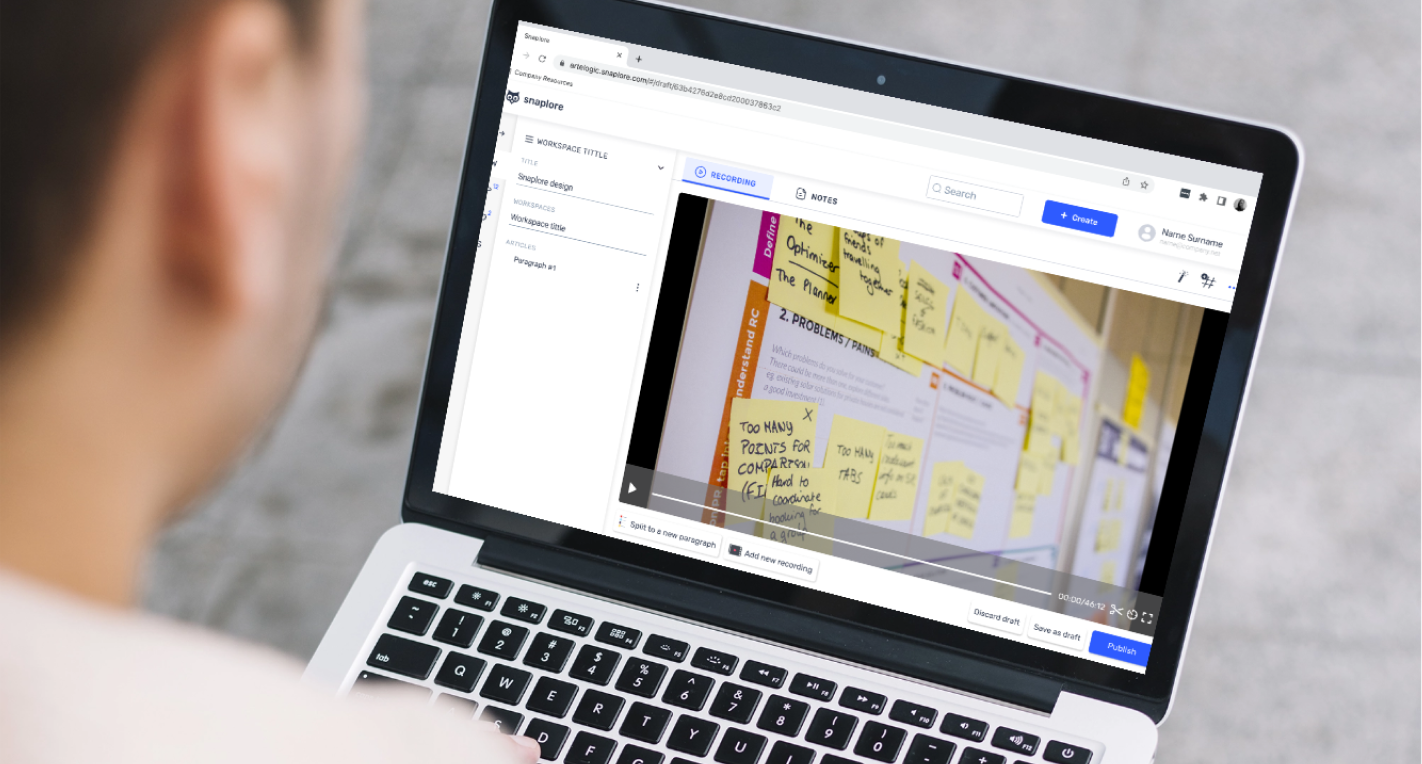 Built by unicrewAI-powered knowledge managementSnaplore is unicrew's own product, built and operated in-house. It uses AI to transform how organizations document, structure, and share information, making meetings, training, and project discussions instantly accessible and actionable.Up to 60%Less time on documentation
- HospitalityA salon platform handling 200-300 bookings per vendor a month (Lookgood)unicrew built Lookgood's salon booking platform from start to finish, with real-time availability, SMS reminders, and scheduling that respects shared equipment.200-300Bookings per vendor each month
- EducationThe custom time-tracking tool that got around 40% more project leaders tracking time at RWTH Aachen Universityunicrew built a custom time-tracking web app for a research group at RWTH Aachen University, in place of spreadsheets or off-the-shelf software.~40%More project leaders tracking time
12Questions
More about product development with unicrew
Before commissioning product development, agree the release scope, integrations and who is responsible for design, testing and handover.
We provide software product design and development services covering discovery, the research in your scope, interface design, engineering, a tested release and handover. The scope sets out your deliverables and who is responsible for them.
You set business priorities and review product decisions; we coordinate the agreed design and delivery work. The agreement sets out IP and acceptance terms, launch responsibilities and any post-launch support. We can create a new product or deliver a significant extension to one you already run.
We quote for product design and development based on the agreed release scope. There is no minimum engagement period.
Cost depends on:
- The features and user journeys selected for the release.
- Integrations and any mobile apps alongside the web product.
- Existing research, designs and components we can use.
- The testing, deployment and support responsibilities included.
Fixed-price work is outcome-based and quoted per project. Time-and-materials work is billed hourly and quoted per project; team extension is billed monthly per team member. Discovery gives you a scope, estimate and phased plan to inform your decision.
We estimate the launch timeline based on the features, integrations, research and testing your product needs. The plan also allows for your reviews and acceptance decisions. Discovery sets out that schedule in the release plan.
Most engagements start within two to four weeks. This is a typical start window, separate from the time needed to design, build and launch your product.
We design integrations around your systems and the interfaces available to the product. Discovery identifies the data flows, technical constraints and responsibilities on each side.
Your technical contact provides the approved documentation, access and test data needed to assess those interfaces. We agree which integrations to develop and test within the release scope, and record any dependencies before the build.
The right starting point depends on what you need to learn.
- A technical proof of concept tests feasibility, such as a proposed integration. Production readiness is assessed separately.
- A prototype lets people try proposed flows before implementation; a design sprint can create and test one.
- An MVP is working software with a selected feature set for an initial release and user feedback.
These do not have to follow a fixed sequence. We agree what to produce and what to validate before work starts. Our MVP partner guide explains what to consider when choosing a partner.
We select the stack to suit your product, integrations and maintenance needs. Our technology choices include:
- React, Vue with Nuxt, and TypeScript for web interfaces.
- React Native or Flutter for mobile apps.
- Laravel, .NET and Node.js for application services.
- PostgreSQL or MySQL for data, with AWS for hosting where selected.
Discovery records the technologies chosen for your product and any compatibility requirements.
For a significant extension to an existing product, we can manage design and development together. If you need help with a specific decision or deliverable, you can commission a focused service.
- UX consulting and audit assesses a live journey and recommends priorities.
- UX/UI design produces agreed interface flows, screens and specifications.
- A design system develops shared components and the rules for maintaining them.
For a larger engagement, discovery defines the engineering, integration and release work needed.
Check who is responsible for product decisions, validation, delivery and acceptance. Before you commission us, we define:
- Who approves the product direction and how designers and engineers review it together.
- The release deliverables and how your team accepts the software.
- The handover, IP and support terms for the product and its documentation.
In March 2022, a report-generation client explained that the delivered code and automated tests let its team check the work independently with varied data sets.
unicrew has 100+ senior in-house engineers across six countries. These are unicrew employees rather than subcontractors. The project managers and engineers a client works with are in four countries: Ukraine, Poland, Estonia and the UK.
We agree the roles and delivery responsibilities your product needs, with the team and responsibilities recorded in the agreement. unicrew has ISTQB-certified QA engineers and holds ISO 27001:2022 and ISO 9001:2015 certifications, audited by Quay Audit UK.