Technologies That Optimize Your Transportation Business Metrics
Do you need to optimize your transportation business? It is essential to combine both hardware and software solutions to ensure the best ROI.

Volodymyr KhitsiakSenior Marketing Manager
Published
Share

Do you need to optimize your transportation business? Look at this article about using technologies in your transportation business.
Optimizing Logistics and Transportation
Efficiency, optimization, speed, and timing have always been crucial in any business, especially when it comes to logistics and transportation, no matter whether it concerns distributors, end customers, transportation firms, retailers, or any part of a supply chain. Without doubt, transformations in manufacturing and retail, technological disruption, and data digitalization have made modern logistics providers more flexible, faster, and more reliable. As a result, we’ve seen evident growth in transportation software and similar solutions in the logistics industry.
Nevertheless, there are still numerous challenges that owners of supply chain and transportation companies, and people working in logistics more generally, have to address in terms of digitalization. Just to name a few pitfalls in embracing digitization and re-engineering a company's supply stream:
- A lack of robust preparation and a clear understanding of what is needed to make multiple systems work together properly. It’s crucial to know how to properly integrate standalone services and software into one transportation management system.
- A lack of understanding of how to achieve the best technological security possible and a lack of resources required.
- The necessity to build a pragmatic and executable vision of the right digital supply chain strategy.
- Insufficient integration of transport networks, information technology, and warehousing & distribution facilities.
- A lack of a trustworthy and trained workforce. Essentially, today the logistics sphere lacks a digital culture and the employee training needed for efficient, controlled operations.
Basically, there are lots of other risks associated with overhauling the supply pipelines to conform to a digital platform. With this in mind, is there a way out? Let’s try to figure that out.
Transportation and supply chain industries' digitization challenges
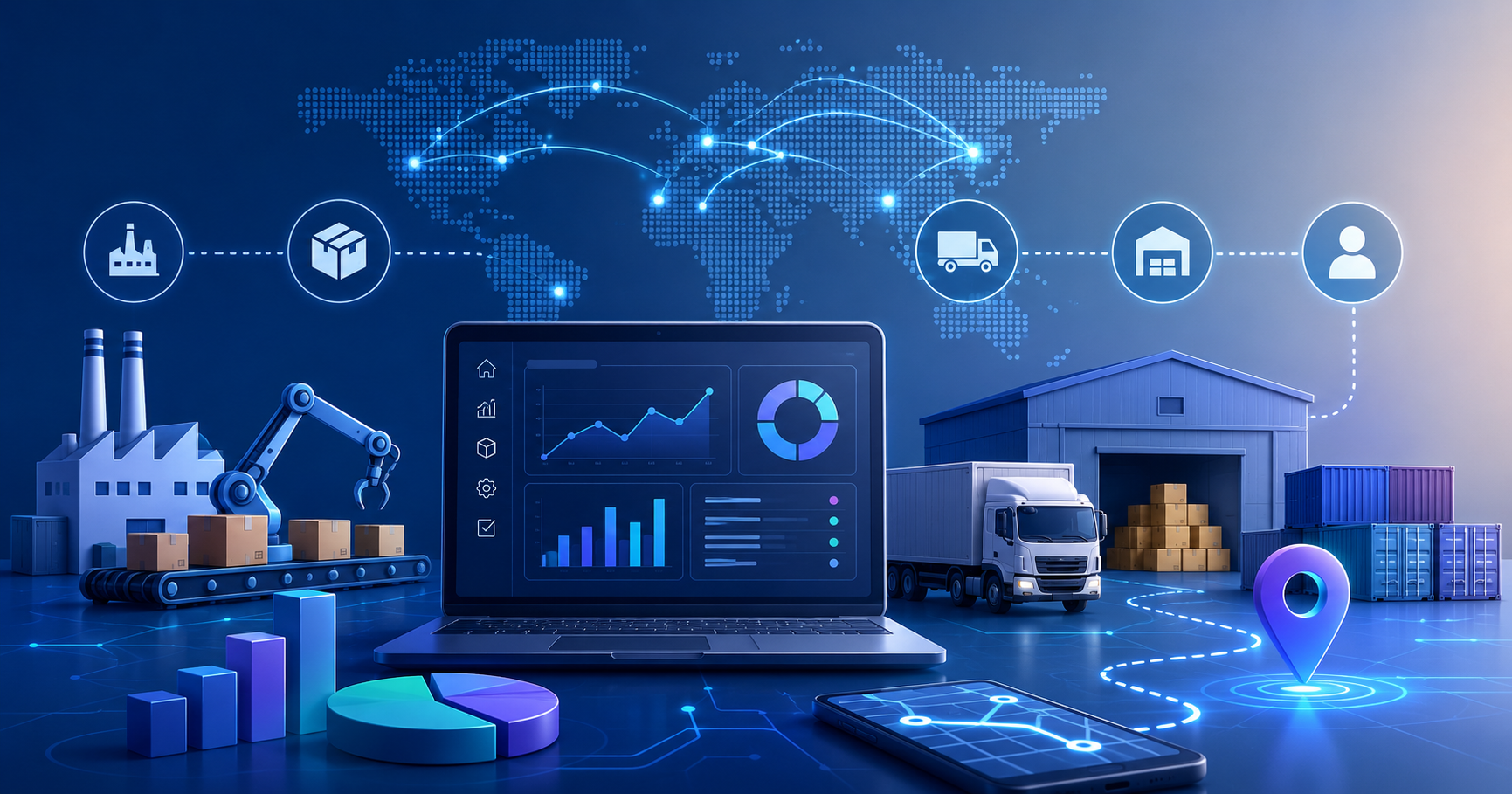
In order to run a successful transportation business, it is essential to combine both hardware and software solutions. Mobility is the core of transportation, so well-equipped vehicles are essential for gathering data and making better managerial decisions. There are a number of transportation software options on the market that can help with things like route planning, dispatching, and tracking. In addition, there are also a number of apps that can be used for transportation purposes. These apps can help with things like booking transportation services, tracking shipments, and managing invoices. By using both hardware and software solutions, transportation businesses can improve their efficiency and effectiveness.
A decent transportation and logistics management system can help companies dealing with the transportation and supply chain industries solve many of the business challenges they face on a regular basis:
- For instance, a good management system can optimize operational relationships between services and end consumers.
- What’s more, it can substantially reduce the impact of the driver shortage by offering innovative, more efficient and cost-effective alternatives for finding the required capacity beyond a shipper’s core carrier base, in particular, broadcast tenders, digital freight matching, spot bidding, and, of course, auctions.
- Moreover, it’s also possible to use a CRM’s strategic modeling capabilities to model the impact of these industry changes and test solutions.
The transportation industry is in the midst of a data revolution. Thanks to advances in transportation software and the proliferation of apps for transportation, companies are now able to track their assets and goods with unprecedented accuracy. This, in turn, is helping to improve customer relationship management and workforce optimization.
According to Deloitte research, nearly half of surveyed transportation and manufacturing executives in the United States and Europe expect data to improve visibility into assets and goods in the next three years. Over the same time horizon, many say data will help improve customer relationship management (44%) and workforce optimization (35%). As data becomes increasingly ubiquitous in the transportation industry, it is clear that it will continue to transform the way companies do business.
However, investing in digital transformation doesn’t come cheap. Businesses need to ensure those investments pay off and real value is being delivered. That’s why setting the right KPIs is of utmost importance.
Which technologies benefit transportation businesses in 2022?
When it comes to transportation, there are a few key technologies that can help assure the best ROI for transportation companies.
- ERP systems with AI-based functions
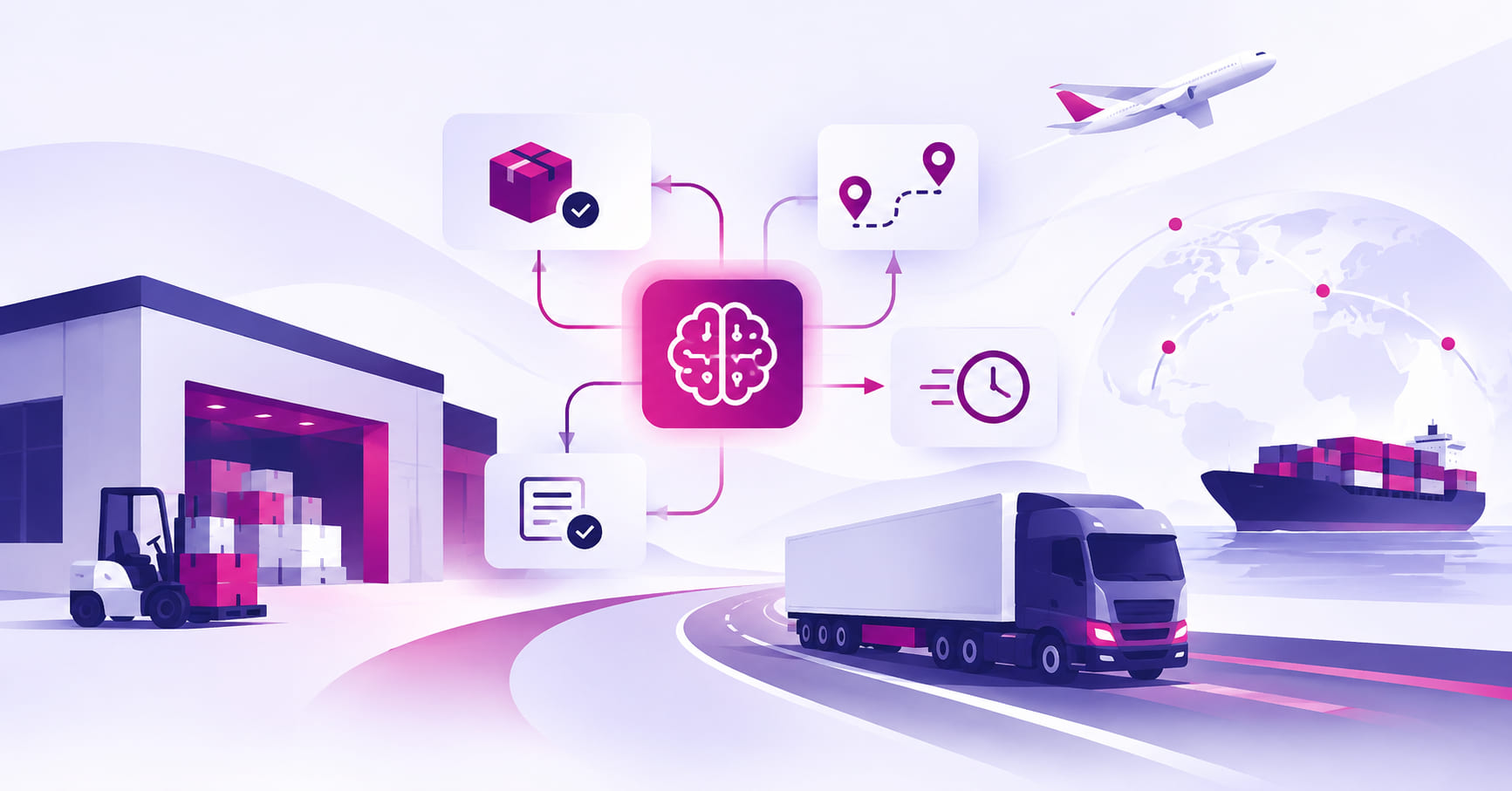
The first category consists of up-to-date ERP systems with AI-based data analysis functions. These systems enable transportation companies to collect data from vehicles and then deeply analyze it. This data can be used to improve transportation routes, optimize vehicle utilization, and more.
- Cloud solutions
Second, transportation companies rely on cloud solutions. Cloud solutions make IT assets more resilient and flexible, which is essential for transportation companies.
- Microservice architecture
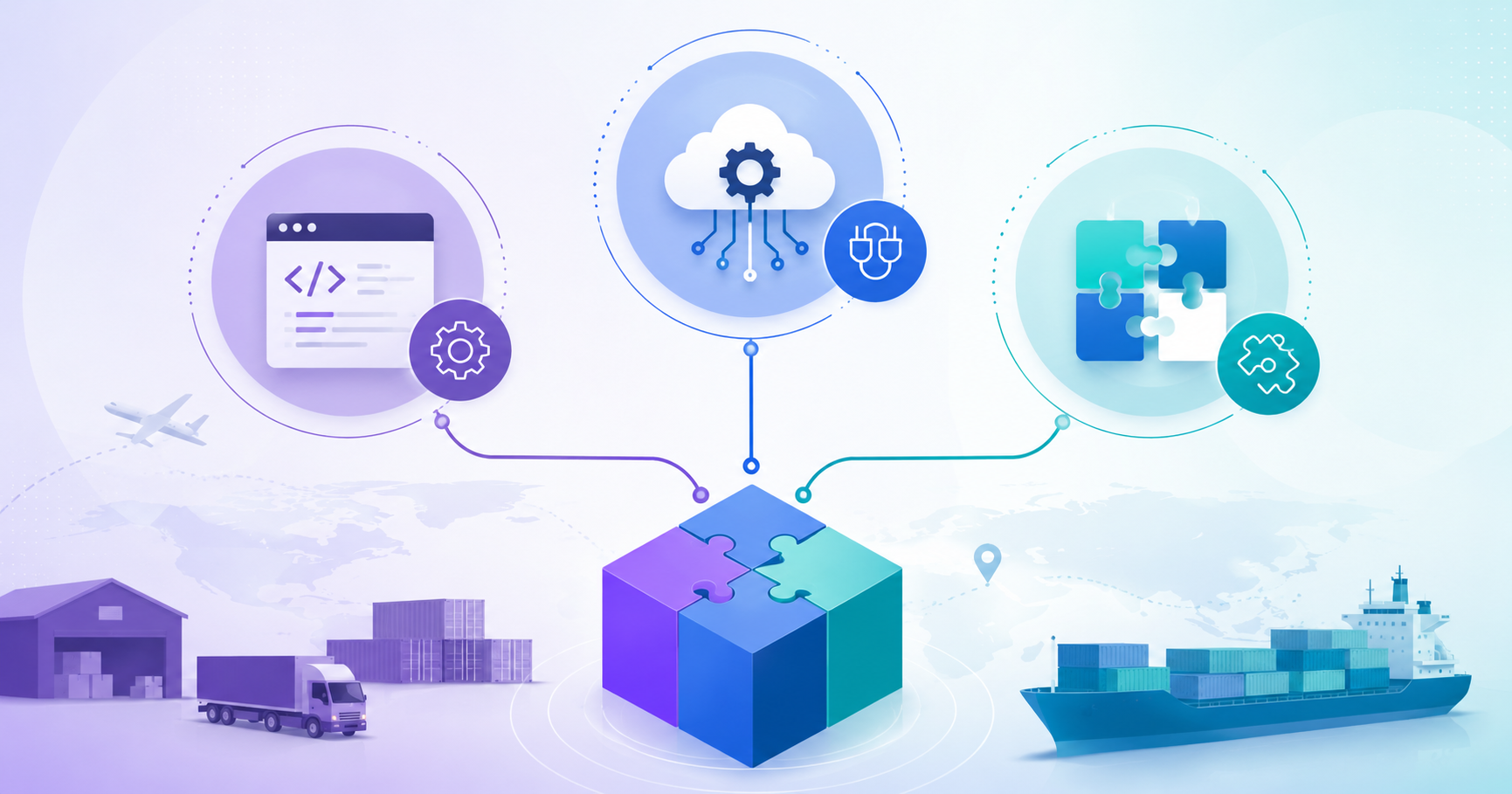
Many transportation and logistics companies use microservice architecture. Microservices are standalone services that can be integrated into one well-managed unit. This architecture makes it easy to add new services and scale existing services. As a result, transportation companies can easily adapt to changing needs and assure the best ROI possible.
- Security Solutions
A transportation company's IT network combines many standalone devices and processes data that is shared among them. So, all gateways, routes, and middleware have to be highly protected and the management should implement both engineering and organizational measures to keep the IT infrastructure secure.
Some of the most suitable technologies for transportation software security are firewalls, intrusion detection/prevention systems, virtual private networks, and encryption. Firewalls can be used to control traffic between networks and to protect internal network resources from unauthorized access.
Intrusion detection/prevention systems can detect and prevent attacks on networked transportation software systems. Virtual private networks can be used to secure communications between transportation software systems. Encryption can be used to protect transportation software system data from being read by unauthorized individuals. All of these technologies are essential for assuring the best ROI for transportation companies.
Key performance indicators (KPIs) and prerequisites
When you examine transportation KPIs, they should cover the following three performance indicators:
- Percentage of faulty products delivered.
- Percentage of issues caused during each step in the process.
- Percentage of correctly delivered orders.
Once evaluated, such reports can provide greater insight into the day-to-day and long-term operations of the business. But that is not all when it comes to evaluating logistics and supply management systems. Advanced analytics and predictive analytics capabilities used in route planning, demand forecasting, and other industry-related activities are the other important risk management issues to keep in mind. Such features as GPS tracking, real-time surveillance, and real-time temperature feeds can be integrated with your existing customer service software, enhancing the product’s quality in your customer’s eyes.
One critical point for business owners and top managers to remember is that employee motivation is directly related to a company’s competitiveness.
Needless to add, since every transportation and logistics technology solution product is unique, even when belonging to one subcategory of the logistics industry, you can hardly find an all-in-one solution that fits all logistics businesses. The best way is to have your supply chain management software custom-made from scratch. Wondering why?
Consider the following benefits of a custom-made transportation management service:
- All features are implemented according to your specific needs
- Flexible and personalized services
- Automation of warehouse management, shipping, distribution, and administrative support deployed simultaneously.
- Secure and fast online sharing, digitized internal and customer documentation with automatic backups and document archiving, automating processes and forms.
To put it simply, with a good supply chain management software product, your business has every chance to:
- Improve the quality of your process and productivity, diminishing mistakes
- Optimize costs, eliminating major daily tactical execution activities
- Make more informed and strategic decisions, therefore increasing the company’s gains
- Meet your customers’ expectations, improving the customer experience as a whole
- Have a real-time view of your business, being able to predict possible issues as soon as possible.
Therefore, custom-made management solutions deliver a more strategic approach to your project’s specific transportation requirements, letting you boost all business operations and take advantage of the opportunities made available in the new digital age.
One example is MiniMoves, a US moving company. We redesigned and refactored the order management platform behind its quotes and bookings, and we continue to extend it. We can do the same for your business.
Key Takeaways
When there is a strong need for better collaboration, connectivity, and real-time visibility with service providers, opt for a strong logistics operations management solution vendor, which can improve your customer satisfaction, bringing more value to the brand in general. By implementing a full-featured transportation and logistics management system, shippers can improve compliance, cut down on expenses, and find alternative capacity when needed. However, before investing in a powerful transportation management system, ensuring that your company is performing at an optimal level regardless of the challenges that come is of vital importance. So, make sure you take into consideration the main key performance indicators that were described above.
One more important thing to mention: reinventing and digitizing all of your most essential business processes through a powerful management solution is easy with unicrew because we have the needed resources and the know-how. It’s high time you optimized your transportation business, leaving your competitors in the rearview mirror! unicrew will help you to achieve this.