
Apps for Moving
Explore the best apps for moving that simplify relocating. Discover features that help you find your new home easily.

Volodymyr KhitsiakSenior Marketing Manager
Published
Share

The trend toward relocating one’s household is growing as international travel opportunities expand. Specialized digital solutions and web resources are abundant right now, placing travel options and destinations suited to each person at their fingertips.
Let’s look at prominent mobile moving apps which help users move to either a permanent or temporary place of residence and find a new home, focusing on their key features and reasons for success.
The Moving Market & Technologies
In the current market, even solutions with carefully designed, field-tested UX cannot compete with more technically advanced alternatives. As a creator, if you are looking to implement a truly promising product that will efficiently help users to move house and won’t go out of date for years, pay attention to the following trending and sometimes remarkable technologies:
- Big Data & Internet of Things (IoT). These two prominent tech concepts are at the peak of their popularity in the current market realities. In particular, integrating IoT into apps for moving allows data to be gathered even in locations where there is no Wi-Fi or where this type of network is too resource-intensive. On top of that, specialized Big Data algorithms allow for autonomous data structuring and processing, which helps to significantly reduce the cost of product deployment.
- Virtual Reality. The only downside of this concept is the necessity for users to purchase additional VR devices (at least the most affordable ones, like Google Cardboard). This tech delivers astounding opportunities, however, allowing users to view virtual properties both from the inside and outside before finally deciding to move house or take walks through remote locations without leaving their apartment.
- Artificial intelligence. Some of the best moving apps are based on the powerful tech concept of AI. It helps to process large data volumes (e.g., the data gathered by interconnected IoT devices), optimize the search feature, and serve as a foundation for a smart assistant which can be integrated with the app.
The Most Popular Moving Companies/Apps in the USA
Zillow
Frequently featured on lists of the best moving apps, Zillow is a great freeware application for iOS and Android. It’s most often used by real estate agents, helping them to keep a list of available apartments for rent or sale listed by various moving companies or individuals. However, it still can be conveniently employed by a regular user looking for a new home.
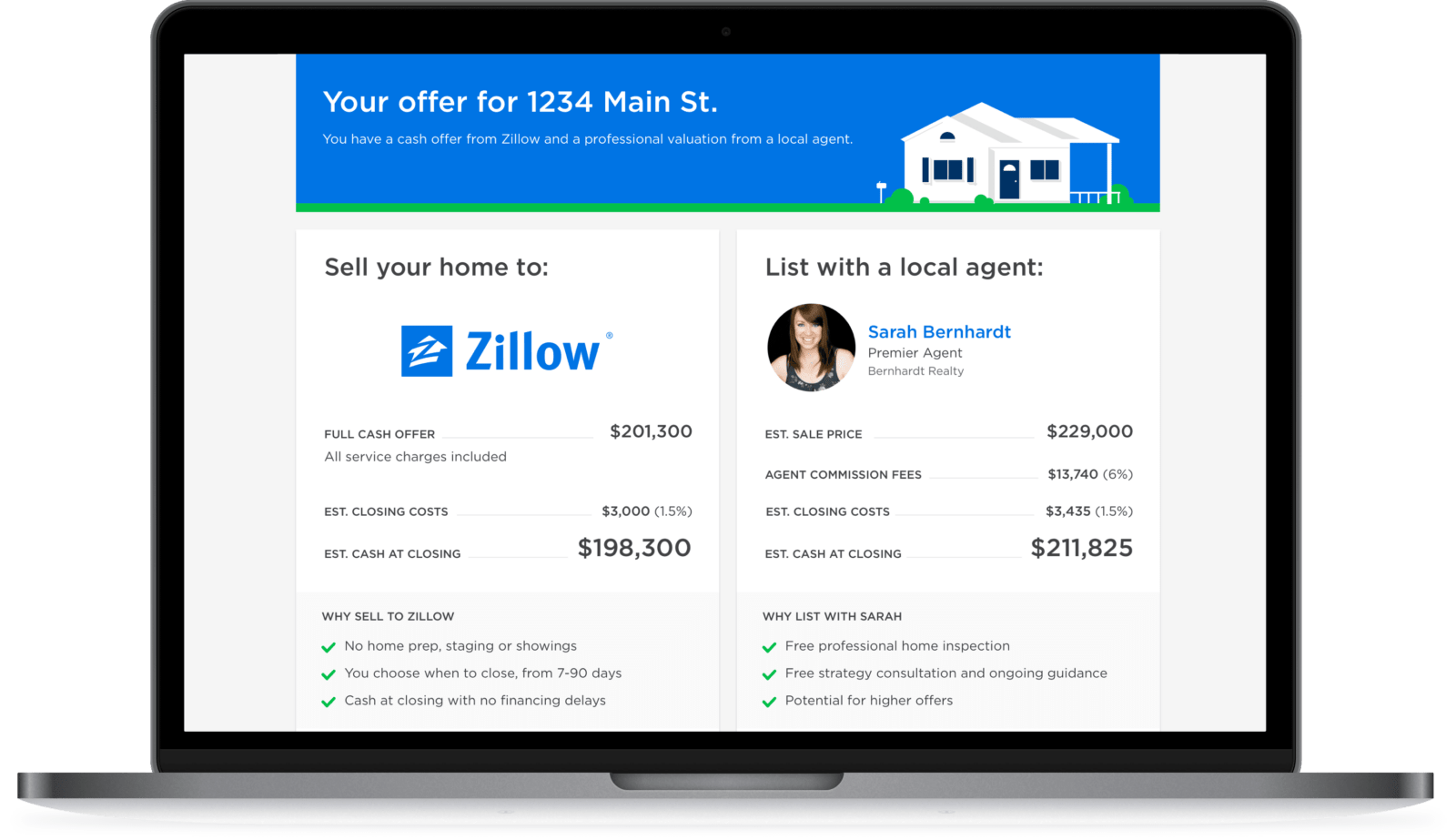
Once you choose a property, you get the agent’s contact details so you can discuss buying or renting it.
Moved
Moved is a freeware app for iOS which can help you manage your move by assigning dedicated assistants. In order to select an assistant for you, the app first asks several key questions concerning your moving date, destination, and other important details.
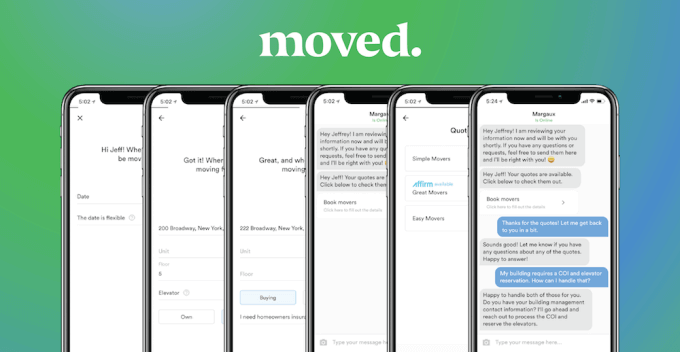
After that, you connect with a live assistant who takes on much of the responsibility for booking and planning shipping services, preparing documentation, and handling other cumbersome moving tasks. Note that the solution works only with vetted providers, including some of the best moving services, so you won’t have to check the reputation of each service yourself.
Sortly
The Sortly moving app, created for iOS and Android platforms, will be your virtual assistant in tracking all the things you pack when moving - a kind of digital moving checklist that can be conveniently shared with moving companies. It is, basically, an advanced inventory tool, which helps to save time on unpacking and won’t let a user forget anything when packing.
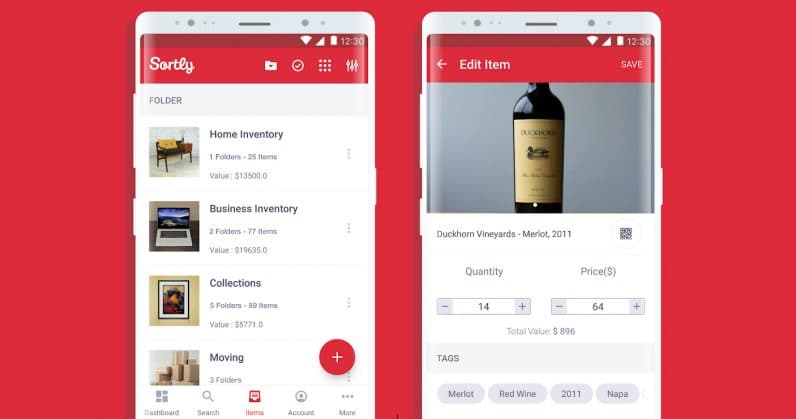
The app is simple to use - you just take a photo of an object to be packed and specify the start and end points for home moving. After that, you can simply pack everything up and hand your belongings to the movers. Once all things are transferred to a new place, it will take no effort to find everything - everything is situated according to the user’s specifications in the app.
This ‘moving planner’ is freeware, but for $4 a month, the premium account services can be employed, which provide some additional functionality. In particular, you can create and scan QR codes, which can be attached to boxes for more convenience. Individual inventory lists can also be uploaded to Dropbox or downloaded in the form of a PDF file and shared with other users.
Google Maps
Google Maps can also be a great moving planner. Finding the best route from point A to point B can be pretty difficult even for the most ‘geographically-minded’ people. Google Maps is a globally popular solution to help handle that without any issues. It provides convenient navigation (including voice navigation), shows optimal routes for traveling by public transport, car or even on foot, and helps you use local transportation.
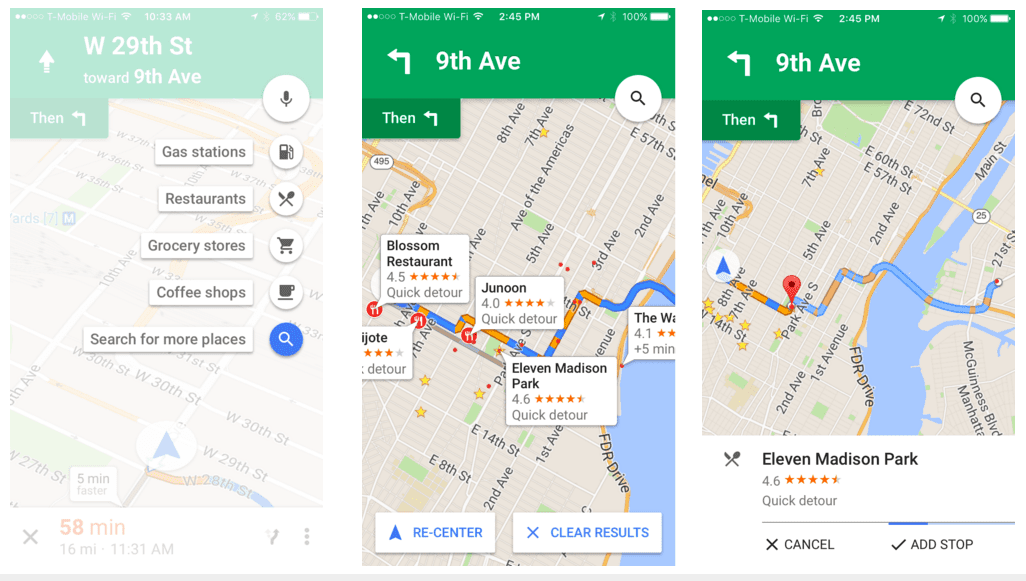
Google Maps has grown to cover even the least-populated locations. Last but not least, one can view real images of most environments either from the first-person or satellite perspective.
Wunderlist
When we’re talking about moving, one has to understand that a task as important as this requires a systematic approach (i.e., one cannot simply pack all their belongings in a few hours and not miss a thing). Taking weeks to pack everything properly is also not an optimal option, however.
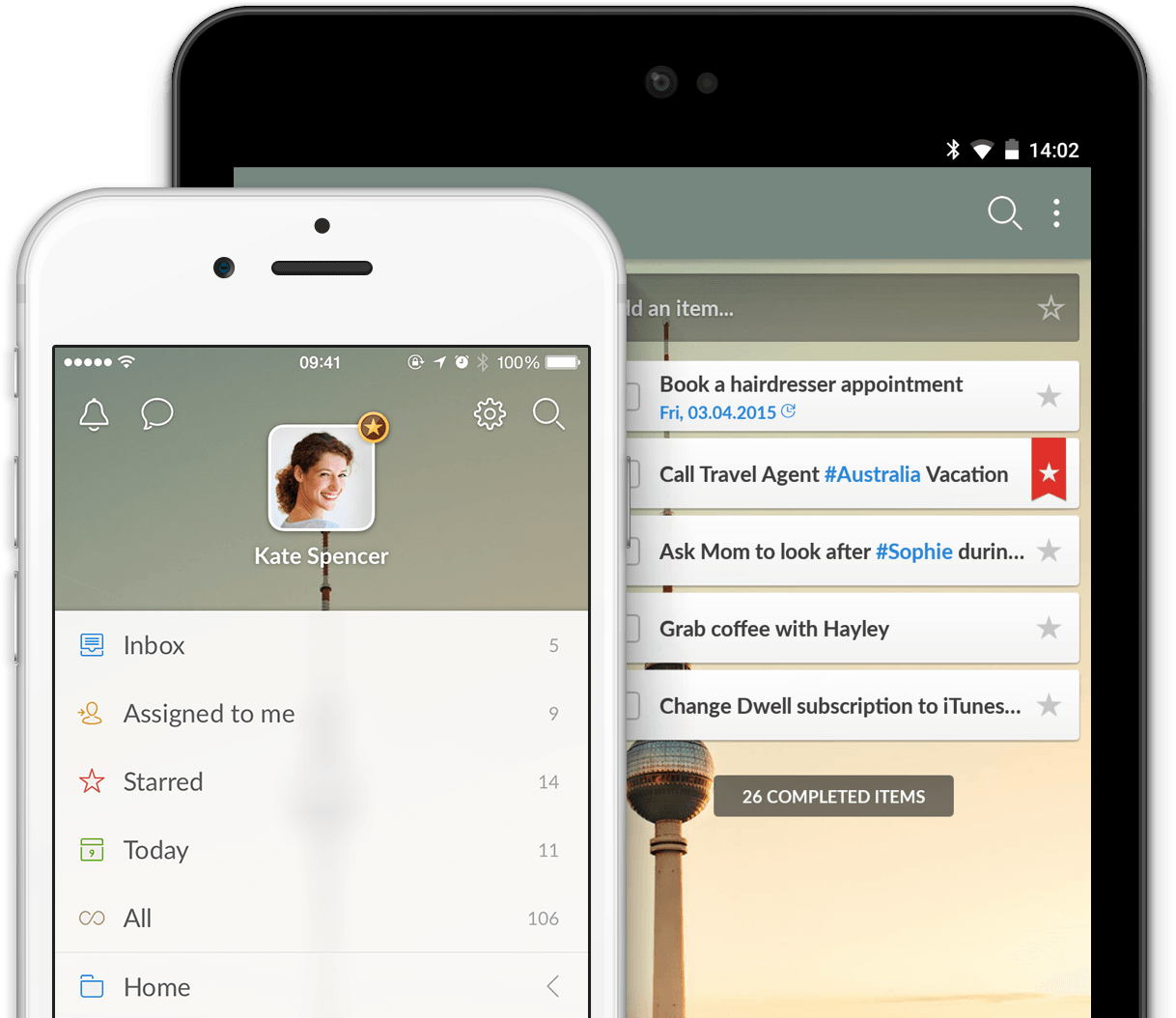
A compromise may be found with the help of the Wunderlist moving app. It can help optimally plan the moving routine and pack according to the resulting list (kind of an algorithm).
Wunderlist is a convenient moving checklist and a business planner where one can set up deadlines, create notifications, and even export tasks for other users to view. Definitely a worthy solution to try.
TaskRabbit
TaskRabbit is a very smart (and completely free of charge) moving app for iOS and Android users. In particular, it rapidly provides local household, babysitting, and pet care service providers’ contacts.
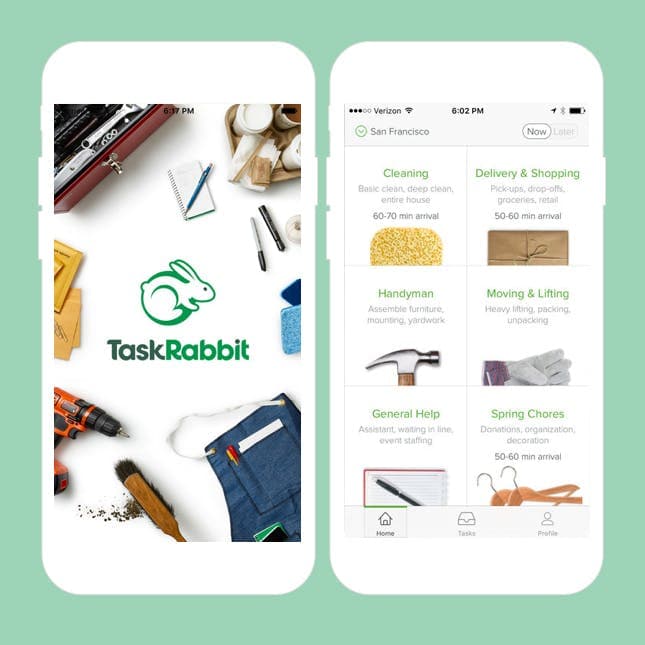
All that TaskRabbit asks for to start searching for suitable options is the timeframe in which you need the service. Next, the app offers a list of available expert services approved by the solution itself. The most fitting provider can be selected by the service pricing or an individual specialist’s CV. In practice, the average specialist rate is about $35 per hour.
Nextdoor app
Last but not least in our list of the best apps for moving is yet another freeware app for iOS and Android (which, by the way, is also available through a web browser). The solution covers over 145 thousand US neighborhoods and helps those planning to move home find new acquaintances (not only among neighbors but also among the experts specializing in helping other people with routine tasks, like babysitters, dog walkers, gardeners, etc.). Nextdoor also indicates how good a certain neighborhood is all-around (it provides some firsthand info about crime rates and level of education in local schools).
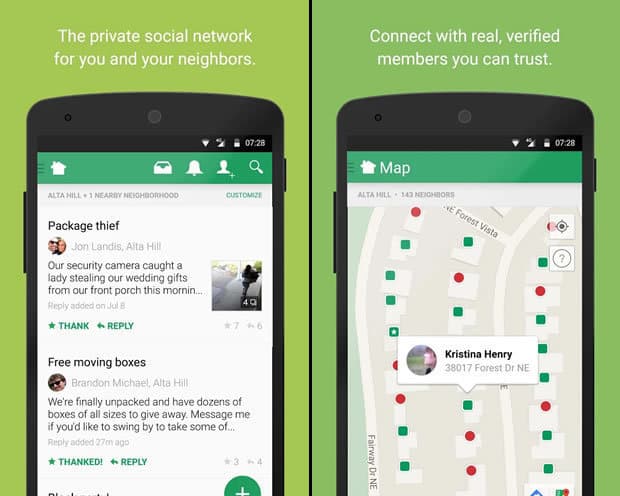
The app takes the form of a social network where contacts are found based on the user’s location (similarly to Tinder).
Key Success Factors of Mobile Apps for Moving
If we analyze the previously listed best apps for moving, we can define a number of particular features that help them stay ahead of the competition. Namely:
- Geolocation. If you are creating an app that gathers and provides data about new moving locations, you should use a specialized API for geolocation (e.g., the Google Maps API). Integrating APIs usually takes little time or effort and, in turn, you will be able to provide your users with a truly up-to-date, useful product.
- Push notifications. In terms of competitive ability, mobile apps should not only be useful and help users painlessly handle at least one task but should also be able to take real ‘care’ of the user. Push notifications can provide just such care. The feature is included ‘by default’ in all good moving apps. It provides an optimal way to interact with users without irritating them.
- Third-party service integration. You cannot pack everything into one solution; that’s why it’s best to leave it ‘open-ended’, i.e., able to integrate with third-party solutions (e.g., the Facebook Login API can be integrated to provide fast sign-up).
- Personalization. The more a user sees personalized features in an app, the better their UX will be. For instance, many creators and owners of apps for moving implement a special configuration panel in user accounts where settings can be customized. And don’t forget about convenient moving checklists.
- Extra functionality. Without a doubt, even the best apps for moving can be ‘outrun’ by solutions that offer full accessibility and multiple uses. In order to reach that, build an MVP initially and consider what additional functionality will make it a top product.
Conclusion
As you can see, apps for moving provide a good, profitable field for exploration and offer considerable value to their users with moving checklists, neighborhood services, shipping opportunities, etc. If you want to build your own moving app, contact us and our experienced mobile software development specialists will help you properly implement a solution of any complexity.