
What is CTO as a Service?

In today’s business climate, technology is more important than ever. Companies must have a robust online presence to compete, and they need to be able to adapt quickly to changes in the market. For many businesses, the Chief Technical Officer (CTO) is the key decision-maker regarding planning the technology upgrade. However, not all businesses have the resources to hire a full-time CTO. That is why the popularity of CTO as a Service is constantly increasing.

Let’s discover the following topics:

  • What is a Chief Technology Officer as a Service?
  • The benefits of having an outsourced CTO on your team
  • Differences between technology consulting and CTO as a Service
  • Tips for working with an outsourced CTO
  • How to estimate and plan the CTO work?
  • The future of the outsourced CTO role
  • How to know that the company needs an outsourced CTO?
  • FAQ

What is a CTO as a Service, and what do they do for a business?

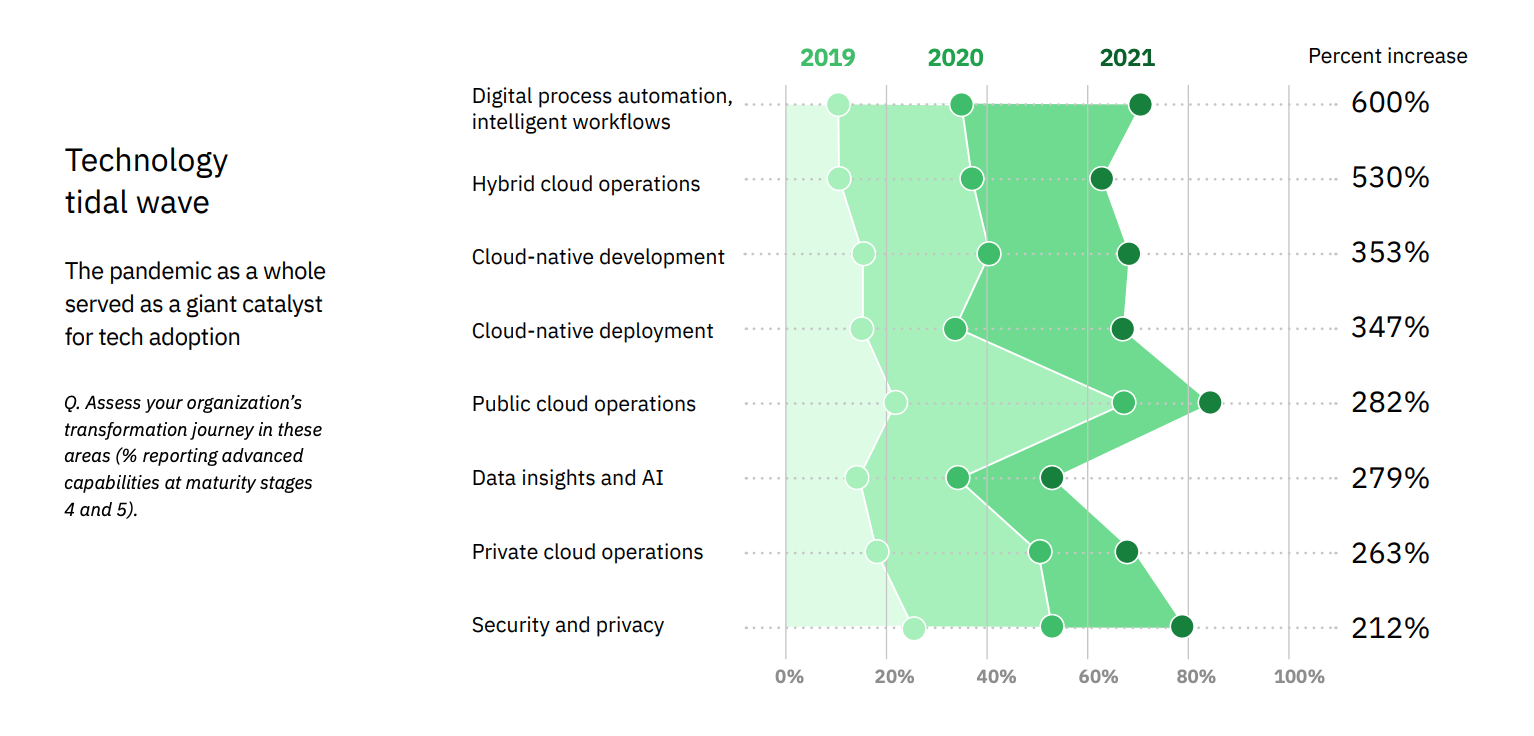
According to IBM research “The CTO revelation“, since 2019, more CTOs are reporting increased capability maturity, including 600% more who are experiencing advanced digital process automation capabilities, 530% seeing advanced hybrid cloud operations, 353% realizing advanced cloud-native development, plus surges in those reporting the maturity of other key technologies.
CTO as a service

A Chief Technology Officer as a Service (CTOaaS) is an outsourced professional who provides strategic and technical guidance to businesses in information technology, product development, and data security. CTOaaS providers work with businesses to assess their needs and develop customized solutions that address these needs. In addition, CTOaaS providers also provide ongoing support and advice to businesses to ensure that their systems remain up-to-date and effective.

CTO as Service provider offers a variety of benefits to businesses, including access to expertise, flexibility, and cost savings. By working with a CTOaaS provider, businesses can focus on their core competencies and leave the management of their IT infrastructure to the experts.

The benefits of having an outsourced CTO on your team

An outsourced CTO can bring a wealth of experience and knowledge to your team. They can help you develop and implement strategies to improve your online presence and better compete in the market. In addition, an outsourced CTO can provide invaluable support during times of change or crisis. An experienced professional on your team can help you navigate challenges and make the best possible decisions for your business.

There are many cases when CTO as a Service can favor a business. Perhaps the most obvious case is when a business does not have the resources to hire a full-time CTO. By outsourcing this role, businesses can gain access to the expertise and knowledge of an experienced professional. In addition, outsourced CTOs can be more flexible than in-house CTOs and can often provide services at a fraction of the cost.

CTO consulting can also be helpful during times of change or crisis. When a business is going through a transition or experiencing difficulty, having an experienced CTO on board can help to navigate these challenges and make the best possible decisions for the company. Overall, CTO as a Service can be an excellent solution for businesses that need help with their information technology and product development strategies.

When a company plans to make a digital leap or needs to estimate the potential benefits of new technologies implementation precisely, a CTO is a proper expert who plays a crucial role.

CTO as a service
Oleksandr Trofimov, CTO at Unicrew:

“Most technology consulting cases are about assessing the feasibility of new technologies and developing a plan for their implementation. Many companies, especially SMEs, are looking for pre-estimation of the scope and budget of future digital transformation. That is a very common point, as businesses need to allocate resources and estimate the potential benefits that these new technologies could bring to the company. Experienced CTO can do it more precisely, given their solid background of delivered projects. By working with a CTO, businesses can make sure that they are making the best possible decisions when it comes to technology”.

When it comes to the digital future of a business, the solution that a CTO makes can literally make or break the company. To ensure that your business makes the best possible technology decisions, it is essential to work with an experienced CTO who can help you assess the feasibility of new technologies and develop a plan for their implementation. By doing so, you can be sure your business is on the right track to success in the digital age.

Differences between technology consulting and CTO as a Service

As the world increasingly relies on technology, businesses are turning to technology consultants for help with everything from developing new products to streamlining their operations. However, there is a big difference between technology consulting and CTO as a Service.

Technology consulting is typically focused on providing advice and guidance on specific projects, while CTO as a Service is responsible for the overall strategic vision of the company’s technology needs. This means that CTO as a Service is more involved in long-term planning and decision-making, while technology consultants focus on day-to-day implementation. Although both roles are important, they require different skills and approaches.

Tips for working with an outsourced CTO

When working with an outsourced CTO, clear communication is key. Explain your company’s goals and needs so the CTO can provide the best possible advice and support. It is also important to keep the lines of communication open; regular check-ins will help to ensure that both parties are on the same page.

To get the most out of an outsourced CTO, it is also important to give them the freedom to experiment and innovate. Encourage them to think outside the box and develop new ideas that could benefit your business. By taking these steps, you can maximize the value of working with an outsourced CTO.

The CTO should understand your clients’ profiles and their needs so you can be sure that they will be able to provide the best possible service. In addition, by understanding your clients’ journey map, the CTO can help ensure the technology implementation process is as smooth as possible.

When working with outsourced CTO Services, it is vital to establish clear metrics and deliverables. This will help ensure that both parties are on the same page and that the CTO delivers value to your business. Sometimes, founders or the company’s board are tempted to establish the CTO’s KPIs related to daily tasks, like a response time for the company’s website or other performance indicators of the company’s digital platforms. But it is a very shortsighted stance.

If you have decided to outsource an experienced CTO, don’t overload them with tasks that can complete middle-level managers or engineers. Rather, exploit their skills and knowledge to make your company more resilient and long-lasting. What could be the deliverables you can expect from the outsourced CTO?

  1. IT infrastructure audit (including your legacy systems).
  2. Defining what technologies (and how) can improve your customers’ experience.
  3. Building and managing the engineering team (in-house or outsourced) given the company’s strategy and goals.
  4. Digital Transformation Road Map with the budgeting and milestones.
  5. Augmenting the company strategy with the vision of technology implementation.
  6. Assessment and contracting of IT vendors within the approved budget.
  7. Representation of the company at industry events, meetings, and negotiations (if it is related to the technologies).
  8. Developing company policies in cybersecurity and data protection.
  9. Taking managerial control over all activities related to company digital assets.
  10. Assuring high-quality documentation and knowledge transfer.
  11. Mentorship and supervising their subordinates.

The mentioned checkpoints don’t cover the entire responsibility of the CTO; in every case, it could be specific metrics, but the general idea is that expectations and KPIs should be discussed on the shore, not at the ship.

How to estimate and plan the CTO work?

There is no one-size-fits-all answer to this question, as the best model for working with an outsourced CTO will vary depending on a company’s specific needs and circumstances. However, here are a few tips on how to estimate the work involved in working with an outsourced CTO:

  1. Per-hour model. Estimate the time needed for regular check-ins and communication, both for planning and decision-making.
  2. Project-based model. You can negotiate the fixed fee for the implementation of the project, including consultation and management.
  3. Subscription-based model. You pay a fixed price (monthly or annually) for a defined amount of hours per week (or month) within which an outsourced CTO is available for your company’s projects.
  4. Full-time outsourcing. A full-time outsourced CTO doesn’t differ from an in-house expert, but the employer can avoid the hassle of onboarding. In fact, the CTO works on the company’s projects, but all administrative routine lies on the vendor side.

The future of the outsourced CTO role

As businesses increasingly rely on technology, the Chief Technical Officer (CTO) role is evolving. In the past, the CTO was responsible for ensuring that a company’s IT infrastructure was up to date and fit for purpose. However, the CTO is expected to do much more in today’s digital world. They must be proactive in identifying new technologies that can give their business a competitive edge, and they must also be able to translate complex technical concepts into plain English for non-technical staff.

As a result, many companies are now outsourcing this role to specialist firms. This allows them to tap into a pool of experienced CTOs who can provide expert advice and guidance on all aspects of technology. It is clear that the outsourced CTO role is here to stay, and it is set to become even more important in the years ahead.

How to know that the company needs an outsourced CTO?

Even though CTO as a service for startups is the most popular model, not only startups need the outsourced CTO role. Many companies, especially SMEs, experience the need for digital growth intensively but are getting stuck for the lack of technology leadership within the team. They are good at their business but become confused about managing digital transformation. However, here are a few tips on how to know if a company needs an outsourced CTO Service:

  1. Are you struggling to find the right person for the role of CTO?
  2. Does your CTO have too much on their plate and is struggling to keep up with demand?
  3. Do you need someone with specialist expertise in a particular area (e.g., cybersecurity, digital transformation, etc.) that your in-house team doesn’t have?
  4. Would you like someone to mentor and supervise your team of engineers?
  5. Is your IT infrastructure outdated or inadequate for your needs?
  6. Are you seeking someone to help you plan and execute your company’s digital strategy?

If you answered “yes” to any of these questions, then it may be time to consider outsourcing the role of CTO to a specialist firm.

Your fractional CTO here

Does your business need the support from CTO?

Book the free consultation!

Frequently Asked Questions

 What is CTO as a Service?

CTO as a Service is a model where a company contracts with an outsourced CTO provider to help them manage their technology and digital needs. This can include anything from advice on new technologies to full-time management of the company’s IT infrastructure.

What are the benefits of using CTO as a Service?

There are many benefits to using CTO as a Service, including access to expertise, flexibility, and cost savings.

  • Access to Expertise. One of the main benefits of working with an outsourced CTO is access to expertise. This includes specialized knowledge in information technology, product development, and data security.
  • Flexibility. Another advantage of outsourcing the role of CTO is that businesses can be more flexible with their needs. If requirements change or the company experiences rapid growth, the CTOaaS provider can easily adapt.
  • Cost Savings. Finally, using a CTOaaS provider can be more cost-effective than hiring a full-time CTO. This is because the provider will only charge for the used services, which can save businesses money in the long run.

How does CTO as a Service work?

Outsourced CTO Service providers offer various services which can be tailored to fit the needs of each business. Typically, CTOaaS providers will offer technology advice, strategy planning, and full-time management of a company’s IT infrastructure. In some cases, they may also offer mentorship and training for in-house engineers. There are a few main models of CTO outsourcing, such as per-hour fee, project-based contract, subscription model, and full-time outsourced CTO.

How can I sign up for CTO as a Service?

If you would like to sign up for CTO as a Service, please get in touch with the Unicrew team. The residents of our development house are savvy technology gurus with a huge experience in delivering complex projects in digital transformation. We would happily offer you a free estimation and discuss your needs.

How much does CTO as a Service cost?

The cost of CTO as a Service can vary depending on the provider and the used services. Typically, CTOaaS cost includes working hours ranging from $40 to $200 per hour. In the resource estimation, you should consider the maturity of the CTO candidate, your project scope, and duration. Besides, many CTOaaS providers grant bonuses and discounts given the project scope and CTO engagement. The best way to figure out it is to discuss it with Unicrew’s experts.


In-House vs Outsourcing Software Development

At the beginning of any new project, you will undoubtedly face the question: how to translate your idea into reality? Where to find experienced professionals and how to organize a team for development? We know how tiresome this choice can be, so let’s outline the biggest advantages of both these options.

In this article, we’ll help to learn further which path to go when considering in-house development vs. outsourcing software development.

[NAVIGATION LIST]

Outsourcing Software Development

What is an in-house software development definition? It is a software development process that is run by a corporate entity for organizational usage. Let’s see an example to better understand the in-house software development meaning. A company, which may relate to the IT sector, decides to develop its digital product. In this case, the app development company should use their own software developers (called in-house developers) to create the system and needs to conduct a hiring procedure to pick up the development team the project requires. 

Though the cost of hiring staff is high enough, there are tons of advantages of in-house software development. A full-time in-house team is less expensive in the long run. To get the full picture of what the in-house process has to offer, let’s examine its pros and cons.

Advantages of In-house Development

Several facts will provide you with the top reasons to choose this option:

  • No language/cultural boundaries. It is a team of professionals probably from the same country/city as you are, with the same cultural and language background working within the same organization. What advantages does hiring an in-house team give to you? Fewer boundaries and limitations, face-to-face communications, and, as a result, a better understanding of what should be done.
  • Deep involvement. It allows you to maximize the customization of the in-house engineering process for every minor tech need of your company. You can make appropriate changes in the development process easily to adjust the project to your business.
  • In-project expertise. Internal specialists master their skills in building the project you started and soon become narrowly focused professionals of the highest level. This reduces bugs and, in addition, it means that the support will be straightforward and efficient, and your company has enough skills to maintain the product independently.

Disadvantages of In-house Development

There are several disadvantages, too:

  • Huge price. It requires many funds to be invested in the initial stages, especially in small and large-scale projects. If the organization of the processes is poor, you’ll need to spend money even on inactivity. However, in middle-scale projects where the product is a valuable resource, the scheme works well.
  • Staff dismissal. One of the biggest in-house software development risks is the dismissal of employees. After companies have invested significant resources in their onboarding, they can go away and you’ll need to invest in new members of the team again.
  • The lack of expertise in different areas. There is another classic problem with an in-house candidates pool. In order to apply specific skills, you’ll need to hire a specific candidate, and thus, rerun the hiring. The same situation is in the case of project expansion. If the employee works full-time in-house, you will have to pay insurance fees, premises, equipment, holidays, etc.

Companies Working With In-house IT Teams

Now that we wrapped our heads around the pros and cons of in-house development, we need to understand whether the pros outweigh the cons. Although the answer depends on your particular case, the following companies already opted for hiring in-house teams.

  • Amazon. This eCommerce giant hires in-house developers to deliver only brilliant solutions for the global online retail industry.
  • PayPal. Next time you use PayPal to make a transaction, remember: it is focused on the benefits of in-house software development.
  • Salesforce. This SaaS CRM system has dedicated clients worldwide and employs an in-house IT team as well.

As we’ve got some knowledge of in-house software development praise, let’s overlook outsourcing as well. Outsourcing is a practice when an outsourcing company builds products for your company. Outsourcing companies can take on the task of building remote development teams to suit your requirements and budget, thus letting you focus on other important business objectives. Outsourcing software development also has both pros and cons to consider:

Pros Of Outsourced Software Development

  • Price-wise expertise. Outsourcing price is more reasonable than in-house software development because, typically, outsourced development teams have more development experience in different fields. If an unusual problem arises, there is no need to hire new specialists for your in-house IT team. With the proper planning, you can reach the same goal with a reasonable budget.
  • Smart time-to-market. Benefits of outsourcing include avoiding all major hiring and staffing issues, which usually occur if you practice in-house development. Using the resources of an outsourcing team, you can add new features to your product at any time, not being limited by the resources & skills of your in-house team. This definitely shortens the timing of the product launch as you save time on both looking for qualified developers and setting up the processes.
  • Easy scaling of teams. If you need to expand the development outsourcing team urgently or cut staff, you do not lose money. All the people on such projects are replaceable.
  • Streamlined processes. Upon turning to a specialized development agency, you can count on well-established development processes and application development experience. All the processes are properly set up.

Cons of outsourcing software development

We prepared an overview of outsourcing disadvantages as well:

  • Mutual understanding. Although the geographical and language barriers have become a thing of the past when it comes to app outsourcing, the requirements are the main source of coherence for your company and developers. The vendor will develop a product according to agreed specifications, so you have to be sure you are on the same page regarding the acceptance criteria.
  • Transparency and security risks.  The lack of direct in-person control and communications can cause a lack of trust to have a place during project development. Although, it depends on the specific contractor/developer. This issue can be limited by choosing the right partner. Be sure that you agree on the way of reporting, acknowledgment, meeting schedules, which are comfortable for both parties.
  • Risk of receiving the unsupported code. If you outsource your strategically important product, make sure you can maintain the code without contractor involvement. Otherwise, your business will become dependent on the outsourcing apps development team. Although, of course, the quality of the code depends on the integrity of the contractor. With the right partner, you can avoid these cons of outsourcing.

Roles you can outsource

Now that you know all the advantages and disadvantages of outsourcing software development, let’s see what responsibilities you can pass to your software outsourcing partner. There is no need in delegating the entirety of the project to an offshore team as you can choose from different software outsourcing options:

  • IT engineering roles. In a battle of in-house vs. outsourcing software development, the engineering services costs make a difference. If you want to get a high-quality iOS mobile solution, it will cost you around $150 per hour in the USA and only $35 per hour in Eastern European countries. So, if you outsource engineering roles to a company in Eastern Europe, you’ll save $115 per every working hour.
  • Customer support services. If you are a small or midsize business considering in-house or outsourced services, remember this: it makes more sense to cooperate with an offshore support team in the country where your clients are based. Such a support outsourced software development team will be a lot better at meeting the needs and answering the questions of the clients living in the same region.
  • Marketing responsibilities. An experienced marketing company can promote your product in a better way than an in-house IT team can. The outsourcing development team can include multiple specialists who will develop a powerful marketing and advertising campaign for your product.

Companies that outsource

The global outsourcing market size reached over $85 billion in 2018. Particularly, $62 billion of them were spent on IT services outsourcing. We have already looked at the companies that choose to hire in-house workers, but how about getting a full picture and comparing in-house vs. outsourcing examples

More and more companies turn their heads towards outsourcing, and here are just some of them:

  • Google.  This multinational corporation opted for the benefits of outsourcing. Mainly, it is a software development and technical support that are outsourced.
  • Alibaba. The profit of this China-based eCommerce platform is growing every year. Surprisingly, its path to success started from outsourcing a small eCommerce website to a US development company.
  • Basecamp. Basecamp is a tool for efficient product development and management. As the company’s founders noticed the growth of demand for their product accelerated, they chose outsourcing as the best option. 

If you can’t define the in-house development vs. outsourcing battle winner, consider the third option. The hybrid approach is a combination of on-site and outsourcing software development pros and cons. From the initial idea to the product launch, there are several stages where in-house specialists can provide more value. On the contrary, outsourcing is cheaper and simpler, so you may outsource some tasks.

Pros of the hybrid approach

There are two key reasons why the hybrid approach is popular with businesses:

  • Impeccable project organization. This approach creates a good environment for efficient planning, in-depth analysis, and task delegation. You can decide which services to outsource and which tasks to work on in your office.
  • Optimal costs. Software outsourcing allows for reducing costs. On the other hand, in-house engineering is more cost-efficient from a long-term perspective. The hybrid approach allows deciding which offshore specialists to cooperate with and which would be better to hire on-site.

Cons of the hybrid approach

The hybrid method can be rather challenging, and here are two reasons why:

  • Time losses. You need to spend time analyzing the current situation in the market and foresee which steps will bring you the optimal results.
  • Complexity. The in-house processes differ from organizing outsourcing work. The hybrid approach combines them, hence creating challenges for the business owners to manage both types of operations.

 In-House DevelopmentSoftware OutsourcingHybrid Approach
CostsHighLower, depending on the outsourcing team you chooseCheaper than in-house, more expensive than pure outsourcing
ExpertiseNarrowExtensive expertise in various fieldsExtensive
SpeedLowHighHigh
QualityHigh, meets the expectations preciselyHighHigh
SecurityHighLower but can be improved with the help of NDA and similar agreementsLower but can be improved with the help of NDA and similar agreements
ManagementWell-established processes and seamless communicationLess manageable but depends on the outsourcing team you chooseComplicated as it requires handling both in-house and outsourcing team issues
Recruitment and HiringComplexAddressed by your outsourcing partnerIn-house team recruitment requires your time and resources, and your outsourcing partner provides you with a complete team

Summing up the issue of in-house vs. outsourcing software development options, it must be said that both of the models have their benefits, but there are also disadvantages. The choice depends on the specifics of the project. 

The main rule when choosing the in-house or outsourced web application development is as follows: if web or desktop application development or maintenance is not the core capability of your company, it could be a considerable challenge to your IT staff to get it right. They may lack the experience or understanding of getting it done. Then, after unsuccessful attempts to do it in-house, you can land up with an outsourced product. In that case, building an in-house product is not well worth choosing.

On the contrary, it will be wiser to outsource it. The app development company that is an expert in its niche will make your product competitive and drive more customers. Luckily, today, there are many business application development services, so it won’t be a problem for you to choose the one that suits your development needs the best.

By the way, Unicrew is one of the leading outsourcing software development providers. It has a diverse portfolio of software development outsourcing projects and boasts lots of returning customers. Moreover, our development company hires several in-house teams to help you with your project. Every software development team is an expert in its particular development niche. In a nutshell, we can help you with any project regardless of its needs, size, and budget.

Contact us to learn more about software development outsourcing and receive a free consultation. 


FAQ

What is probably the greatest disadvantage associated with in-house developers?

The biggest disadvantage associated with in-house hiring is a steep price. Companies must pay extra for pension, taxes, benefits, office supplies, etc., all of which can be easily avoided with an outsourced software team. Besides the elevated costs, there is a lack of expertise that forces HR specialists to cherry-pick candidates for specific skills. Outsourcing companies offer various combinations of skills, so you will not have to worry about lengthy hiring processes.

What is the difference between software product development and outsourced projects?

Businesses that are looking into developing their software product may outsource the entire project altogether or hire an in-house team. Both options are popular and present their own benefits and drawbacks. For example, keeping the project in-house will give you more control over the tasks and goals. In contrast, outsourcing is generally cheaper but may come at a risk of losing some controlling and monitoring power. However, collaborating with a trustworthy and experienced outsourcing company will help you alleviate the risks.

Is outsourcing cheaper than insourcing?

If you are choosing between in-house vs. outsourcing software development on a tight budget, going with the latter is the best idea. Outsourcing is almost always a more affordable option for businesses, especially for small or large-scale projects. 

How to calculate the costs of outsourcing software development vs. bringing it in-house?

Hiring an in-house team involves HR costs, onboarding, paying benefits and taxes, providing office space and supplies, etc. The costs of outsourcing vary depending on the complexity and duration of the project as well as on the service provider. Contact Unicrew, an industry-leading outsourcing provider, to receive a cost and time estimation. 

Unicrew is recognized as a Top Software Development company in 2022 

IT experts from Unicrew are proud for such a honor to be recognized as one of the best provider of software development service.

«Unicrew has been on the rise for many years. Customers have left the company an outstanding review page with almost every single review being a 5 star. The company has a team of IT experts employed offering services that stand apart from many others»,  – said Techreviewer on the announcement.

Techreviewer announced a new addition to the list of Top Software Development companies. The list of savvy IT experts was compiled according to services offered, brand reputation, case studies, customer reviews, and many more.

«Unicrew also offers exceptional work for their reasonable pricing. They are also recognized for their outstanding customer service because to them the customers are extremely important. The Top Software Development company has built a recognizable brand that is well worth hiring. Congratulations to Unicrew for ranking highly in all criteria and getting a place on Techreviewers list» – concluded Techreviewer in the announcement.

Techreviewer has several criteria that they rank companies on, some of them include services offered, brand reputation, case studies, customer reviews, and many more. At Unicrew, we believe in delivering excellence. Our incessant quest for perfection has helped us in gaining a reputation of being one of the most reputed software development companies in the industry today.

Unicrew has a dedicated software development team whose hard work has helped us in establishing ourselves as one of the premier custom software development companies.

A short client story

When a startup based in Germany wanted to create a SaaS solution for research work, our primary goal was to come up with a complete software design and implementation roadmap. The idea was to provide an online tool that would help the researchers working in the field of law going through the vast range of data for their research work. The second goal of the tool was to make the data capturing process hassle-free for the researchers. The trickiest part of building the application was to ensure that the system could easily take care of data extracted from millions of different sources and, subsequently, formats; so our team proposed to build the solution combining the possibilities of browser extensions and a cloud-based application.

The client wanted us to ensure top-notch safety and security as the solution had to be built for the legal domain which is subjected to stringent data privacy regulations. The client was satisfied with the end-result and congratulated us on building the solution according to the specifications demanded. 

You can visit our case studies section to learn in detail about our other successful projects.

About TechReviewer.co

Techreviewer is an independent IT market research and analysis company. The platform helps find the best companies that provide high-quality IT services for technical support, development, system integration, AI, Big Data, and business analysis. As a result of objective market analysis, the Techreviewer platform determines the most successful and reliable IT companies and makes top ratings for each service category. Techreviewer’s ranking lists help organizations select the right technology partner for their business needs.

How to Develop a Supply Chain Management Like Amazon

Tech-Driven Approach

Amazon founder Jeff Bezos was recognized as the richest man on the planet, with his assets reaching a colossal $150 billion. All due to the renowned marketplace of his making. But which factors, in particular, made Amazon so sweepingly successful? We believe that the proper approach to logistics and supply management played major roles in the matter. Let’s figure this out in more detail and see how you can ultimately improve your supply chain.


When a company poses a question as to how to start developing a successful supply management strategy, Amazon comes to mind at once. 

The thing is, vendors operating through Amazon have one major goal in the long run – to establish and sell products that bring the most profit. The means of shipping and storing these products is a primary responsibility of the Fulfillment by Amazon (FBA) service, which provides the right to use the whole Amazon infrastructure.   

Fulfilled by Amazon is, basically, a note in the certain vendor’s product card, which indicates that the vendor is allowed to employ Amazon storage capabilities and let their customers get items shipped through the authentic Amazon delivery service. In turn, customers get their purchases as fast as possible without even paying for the shipping sometimes (FBA provides free shipment for purchases that start at $35).

FBA is a paid service for a seller on Amazon that allows them to store items for sale in automated Amazon storages. The company takes up all responsibility for preserving, marking, transporting, and conducting operations related to returns and refunds on its own. 

The FBA mark boosts the trust of potential customers and allows them to earn more money by selling goods. If you wish to stay client-oriented and present your company as ultra-reliable and super-transparent, you should definitely look in the direction of this service.

The supply chain strategy development scheme in terms of FBA is quite simple.

Any vendor that has an Amazon profile can order products from any preferred supplier, wherever they may be based geographically. If a vendor participates in the Fulfillment by Amazon program, the product will be delivered straight to Amazon storage (you just need to ask them to mark your goods with special FBA Labeled Inventory stickers). 

The workflow in Amazon storing facilities is perfected – practically all the processes are automated, robots predominate over human labor resources (in the future, Amazon is planning to minimize human involvement as much as possible), and the loss of a product just cannot happen there. Despite the huge dimensions of these storage spaces, special markers allow finding particular products without any issues and delays. A vendor only needs to check the number of goods in storage and timely replenish it. 

And these aren’t all the advantages FBA-covered vendors get. They also get additional services like:

  • combination of multiple orders within one shipment;
  • purchase return;
  • two-day shipping (relevant for most products), etc.


All in all, by
developing a successful supply management strategy, Amazon was able to direct the attention of all its customers towards a shipping speed that doesn’t affect the quality of all other services (the goods are stored in the most optimal conditions, it isn’t lost along the way, couriers work by a strict schedule, etc.).


In fact, in developing a successful supply management strategy, the creators of the FBA were directed by the major wish to provide a number of advantages for vendors, such as:

  • vendors don’t have to interact with end consumers directly – FBA is responsible for storing, shipping, and returning;
  • vendors’ customers get to use Super Saving Shipping – free delivery for orders starting at $35; 
  • foreign customers can select cheaper shipping to their country;
  • vendors get to use Fulfillment by Amazon mark even in their online stores or on other marketplaces once they purchase it;
  • they also get access to the most financially reliable TA on Amazon – Amazon Prime users (only FBA-certified vendors get to sell to them).


Let’s figure out how you can establish an effective supply chain that would be able to at least come close to Amazon’s solution’s success. 

Invest in automation

You shouldn’t neglect the galore of automation advantages the 21st century readily offers. Amazon, however, took a step further than most other companies in this matter, having purchased Kiva Systems – a storage robots manufacturer – back in 2012. By the end of 2014, Amazon was already employing about 15,000 Kiva robots throughout its 10 storages. A year later, it was 30,000 robots operating in 13 company storages. 

According to practice, robots that handle orders and transportation in storage are five times as efficient as manual workers – operations that a human could handle in an hour took 15 minutes for robots. 

Technically, every other Kiva robot is a square automated construction on wheels that moves with a speed of up 7,5 km per hour and can transfer loads that weigh up to 280 kg. 

Think about what you can outsource

The whole scope of tasks related to the reorganization of the supply chain strategy shouldn’t necessarily be fully handled by your dedicated team. This especially goes for the aspects related to the implementation, deployment, and further technical support of software and hardware. 

Due to the rapid growth of everything involved with IT, company workers focused on the production of mass-consumption items may find it quite difficult to follow all the tech trends. If you assign a portion of tasks to third-party supply chain professionals, you can save your experts’ time, make their work easier and less painful, and even boost the quality of your integrated supply chain. 

Turn to tried shipping services

You should keep in mind that apart from robotization of all and everything, Amazon’s supply chain management strategy also describes well-adjusted relationships with such world-renowned delivery services, as FedEx and UPS. These are companies that ship goods practically throughout the whole planet and are known as one of the most reliable services globally. This allowed Amazon to optimize the client-orientedness of its own services and boost customer satisfaction rates. Consider cooperating with leaders in the shipping niche during your supply chain strategy development.

Provide centralized management for each local storage

Instead of supporting equitable relationships with local goods suppliers, Amazon goes by a completely different route and employs an integrated supply chain. Such an approach to supply chain strategy development allows us to implement of innovative tech solutions and update analytical data much more efficiently and faster. 

Moreover, it provides optimal conditions for forming a single centralized storage management system that boosts the accessibility of company service in any region they should cover. 

Deploy a global supply chain management system

Last but not least, try to initially plan out developing a supply chain that would be able to cover the global network of suppliers and storages at once, without excessive adaptations. See, even if you have sufficient corporate physical resources, sooner or later the moment of further scaling will come. 

Your task is to provide all the customers without exception with an equally satisfying level of service. In turn, making a decision to develop and implement a global software-hardware product will help you automatically get rid of issues related to the gathering of analytical data and the creation of an optimal supply chain strategy (which are usually quite abundant during scaling).


If you plan out your supply chain routines and employ the chain strategy development similarly to Amazon, here’s what you can ultimately get:

  • Reduction of logistics expenditures. This goes first and foremost for your chain strategy development. You need to minimize those expenses related to the oversupplied or undersupplied goods or raw materials for manufacture. Transportation expenses will be reduced as well if you go ‘the Amazon way’;
  • Lowered impact of the human factor. As you have already understood, Amazon FBA features practically total automation. In turn, by developing a supply chain like Amazon’s, you minimize the human involvement in logistic processes and, as such, improve your supply chain by eliminating the human factor-caused risks (inattentiveness, conflicts, tardiness, etc.). 
  • Good scaling susceptibility. Thanks to the unique structure and initial globalization, a supply chain management strategy established by the principles similar to Amazon’s supply chain management plan described by FBA can be scaled easily: locations of storage capacities and routes in between them are planned so that they can be added with local regions from the get-go;
  • Smooth management of reaction to sudden customer demand spikes. Such situations are unpredictable in the conditions of absolutely any type of market. All you can do here is try and make supply chain strategy development utterly affordable. In turn, a supply chain management SCM implemented by Amazon is considered the most reasonable to use in terms of pricing.  

Summary

As you can see, the success of Amazon and its supply chain management plan enclosed in FBA isn’t really a phenomenon, but quite an explainable situation backed by the hard teamwork of thousands of highly-qualified employees. With that being said, you probably shouldn’t try and reinvent the bicycle, striving to repeat each and every step Jeff Bezos took in his own time.

Unicrew will help you develop a supply chain for your business powered by analytical software and automation solutions provided by seasoned supply chain professionals. We have in-depth expertise in the field of custom software development. Our supply chain management professionals can create a turn-key solution that would demonstrate positive dynamics for your whole business literally from the get-go.

Unicrew is top Web Development Company of 2020!

Unicrew reaches new height by becoming a top Web Development Company of 2020!

Any great website built for a brand will make it trustworthy and the users can easily infer the company’s credibility values based on the website’s function and design. Thus, owning a highly functional yet interactive website is essential for the success of any company.  Understanding the logic of web technology in and out, Unicrew has been providing unbeatable website development services to global clients since our inception. And recently, our exceptional work has been recognized in the press release about top website developers by TopDevelopers.co, a renowned research and review platform of IT service providers. 

In the highly competitive web development market, making our name notable was never a cakewalk. However, through our consistent efforts and hard work, we made a distinguishing reputation among the leading Web Developers

Unicrew was established in 2012 and headquartered in Ukraine with offices in Germany and the USA. We kick-started with the sole aim to offer our clients resourceful solutions for business development. We work closely with our clients to first identify business goals, set a solution strategy, and create a roadmap for the implementation of website development services. 

As a renowned website development agency, Unicrew is giving to hundreds of entrepreneurs wings to fly. From software development, software QA & testing, website development, to support & maintenance, our every service reflects the incomparable quality. 

Our teams are passionate to deliver the results on time and solutions that meet the business requirements of the clients.  We incorporate emerging trends to build the most vibrant and user-friendly websites. We have expertise in advanced web technologies and we implement our technical expertise prudently as per the user’s demand and the type of project. Our commitment and excellence in handling the client requirements gained us recognition among the top NodeJS Development Companies. Our ability to complete projects on time and delivering the anticipated results makes us different from others.

We have amazed various clients in a wide range of industries with our skillset and ideas.  Visit our case study to know more about our diverse experience and knowledge in different domains. We believe in transparency; therefore, we regularly communicate with our clients throughout the project cycle to update them on the development phases. To learn more about our specialties, focus areas, competitive pricing, and more details, please visit Unicrew’s profile on TopDevelopers.co. 

Who is TopDevelopers.co?

TopDevelopers.co is the most trusted platform of B2B IT service providers. They offer unbiased service to thousands of service seekers and service providers. The platform showcases the latest business insights, trends, and news of development companies in the well-structured directory to help users find the best IT Company for their next big project.

Advantages And Disadvantages Of Tailor-made Software

Faced with the need for software to improve the performance of your enterprise or company, the first right thing to do would be to evaluate all the pros and cons of this or that approach in solving particular problems. In this article, we will give a brief overview of Tailor-made Software development, which will help you make a final decision.

[NAVIGATION LIST] 

Tailor-Made Software Brief Intro

Custom or tailor-made software solutions are all about an utterly personalized approach to the implementation of a certain product you as an entrepreneur or your company have in mind. This type of contracted development implies that one translates their vision of the result precisely and defines particular,  detailed requirements to be eventually met as closely as possible. This usually takes detailed joint planning of the project implementation stages as well as a thorough discussion of certain custom requirements with a client.

With that in mind, let’s take a look at custom-made software definitions to see where it is most necessarily used, as well as explore its advantages and disadvantages. There are many examples of tailor-made software solutions – these can be anything from programs that register hospital patients or goods in the store to web applications created to store data about students in schools or customers in a restaurant.

Tailor-made software definition. But what does the term “tailor-made” exactly mean if we’re talking about software? Basically, it means that the software was at least partially written from scratch by a hired development company or team. Unlike off-the-shelf production, bespoke software includes custom functions depending on the needs of the client.

Generally, there are four types of customized software: general-purpose software, entertainment software, special-purpose software, and professional software.

There is also a classification by the degree to which a software solution is really custom:

  • Fully custom-made – as the name suggests, those are the solutions that were completely made from scratch. This is a relatively rare type of software, as using already existing libraries as the foundation for the app is usually far more beneficial. Few software projects have such an unusual design that the entire thing needs to be created from the ground up.
  • Semi-custom – the most common of the development methodologies, with most custom apps falling into this category. This type of solution is developed using some already existing software to make the process faster and avoid reinventing the wheel. By utilizing pre-developed libraries, the development team can focus on other, more important aspects of the project.
  • Systems of custom software – some companies are using software developed by other organizations with business requirements similar to their own. This is somewhat similar to the previous development type, except where the software development team is using concrete apps and packaged software as the basis for their work.

The necessity of tailor-made software

Custom software solutions can make a firm foundation for your up-and-coming business or new big project – one that would reflect your major business attributes in an authentic manner and pose as an original build among the market’s numerous competitors. One may feel the necessity for custom software development when there are grand corporate ambitions to fulfill at stake, as well as a sufficient budget to fuel the process up, of course.

And in terms of the pros and cons when it comes to custom software solutions, there are obviously arguments for both sides of the bargain.

Custom software – is it worth it? To really understand whether or not using bespoke software will be advantageous for your business model, we need to not just analyze custom-made web development, but also compare it to the off-the-shelf variant.   

There are pretty good reasons why so many companies go for tailored software.

Let’s start with the pros. Here are a few examples:

  • Developing for you. By focusing on specific tasks for a given company or enterprise, developers create web software or mobile app that includes specific solutions for these tasks. Before the development itself has begun, the software development company or team that you’re working with will discuss with you the features and functionality you want your app to have.
  • Process management. During custom software development, you can get information about the stage of the project anytime you want to make any necessary corrections or additions. This way you have a higher degree of control over the development processes and can be sure that the software you’ll get in the end is what you’ve paid for.
  • Support and maintenance. You are not dependable on the specific vendor or a product owner in the case of off-the-shelf software. Your developers will be able to provide quality support for the embedded system since the source codes of all system components are open. You can not only supplement but also change the system without involving the company developer.
  • Scalability. It allows you to add components to your software technology at the right time. Tailor-made software can enable a company to improve functionality and performance by eliminating the purchase of new products and devices. 
  • No extra expenses. Cost estimates are made separately in the course of adding modules to the system. The risk to spend a significant amount of money is vainly minimal. Possibility to accommodate a new requirement at a reasonable cost.
  • Step-by-step documentation. User and production documentation are released during the whole process, which makes it convenient to control the process.
  • Ability to differentiate in the market. The uniqueness of your bespoke software will allow you to solve common tasks for the market in an individual way, which, ultimately, will increase productivity and sales for the business.

As you can see, there are plenty of reasons to choose custom-made software. However, this type of development service is not without its disadvantages.

So now about the disadvantages of tailor-made software:

  • Time. Creating custom software can be time-consuming. Since the software will be created from scratch, it can take more time to do this than to adjust the already finished production.
  • The risk of incompetence. Since custom software is not standardized, the burden of changing and correcting falls entirely to the company you’re working with. And there’s always a risk that they’re lacking the necessary qualifications and extensive experience required to develop a software solution that will suit your needs.
  • Higher investments at the initial stage. It goes without saying that both the individual approach and expertise come at a price. Therefore, you will have to invest more money than if you purchased finished products. 

All in all, as opposed to bespoke digital products, a customized software solution would most probably cost you more and require more of your or your managers’ time for planning and negotiations, yet grant you practically unlimited opportunities in terms of building and customizing digital assets, as well as the authenticity status. 

What is off-the-shelf software? The term describes ready-made software solutions that you can simply buy on the market. Such products usually come in packages with different pricing and tariffs to choose from, offering different layers of compatibility, capabilities range, or customer support. They are also initially designed and intended to be fast at deployment and fit easily certain existing systems without much customization and configuration. 

The necessity of the off-the-shelf software

If you own a small- to mid-scale business or wish to enter the commercial arena with a certain, more or less defined budget at hand, then bespoke development may be your perfect, most reasonable choice at achieving these goals. You can choose from numerous options just the thing that would fit your business or promotion ideology, easily purchase it, and continue your business journey with an owned operational product with your/your business’s name on it.

Having a package of standard solutions for common tasks, as in the case of customized products, obviously has its advantages and disadvantages. 

Advantages of the off-the-shelf software

  • Availability. Ready-made software of various qualities is always available for everyone who can afford it. Just buy the thing, and it’s done.
  • Reliability. This applies to the software that’s already been in use for some time. You can expect reliable performance from such solutions, and they are likely to have no issues with the trickier parts of the app that some custom developers might struggle with (like user interfaces).
  • Good documentation. Usually, the system is well documented, so you can always know what to expect.

Disadvantages of the off-the-shelf software

On the other hand, a number of disadvantages for this type of digital product is as follows: 

  • Poor scalability. A step away from the logic of the operation of the purchased system can lead to an insoluble problem, or to significant financial and/or time losses.
  • Poor support. Your developers will not be able to provide quality support for the embedded system since the source codes of most of the system components are closed.
  • Unchanged documentation.  The documentation does not reflect the changes that were made during the implementation and which were not tested at the same enterprise.
  • Not industry-specific, which means that the software is not tested in the same conditions.
  • Limited control. The vendor’s plans for the future may not always align with your own.

All the pros and cons considered, in comparison with custom solutions, ready-made products can be quite cheaper, accessible in terms of the implementation of the necessary asset, and less resource-demanding as a whole, yet it would be difficult to find something really unique without giving it one’s authentic corporate or private business input. 

Bespoke software examples

The range of purposes of ready-made solutions spans the area of digital services identical to that custom solutions cover, having many IT business and technical iterations. Apart from CSMs, CRMs, and eCommerce websites, you can also purchase off-the-shelf:

  • Automated invoicing solutions;
  • Bug and code issue tracking products;
  • Completely built official websites;
  • Business efficiency-boosting tools;
  • Affordable, templated corporate or private landings. 

Custom software development

An authentic business on the modern business is worth its weight in gold – your brand stand out among the masses can be your most powerful competitive advantage and road-to-success paver in the long run. That is possible, however, only with a professional, consistent approach – make sure to only work with and employ top-notch contractors to do the custom work. The overall success of your future solution depends directly on their level of expertise. 

Summary

What do you strive for the most? Authenticity and high status or practical use with reasonable cost boundaries? Your ultimate choice may depend on a number of decisive factors – from a budget and the project’s marketing ambitions to raw practicality and personal approach to doing and building a business.

It is difficult to divide the two major software development approaches by definite directional terms, but if we must, we would define these-reliability and uniqueness.

Conclusion

Pre-developed software is the more reliable option, so if reliability is what you’re looking for in your business you might want to go with choosing “off-the-shelf” software.

However, if you want your customer service app to have that one unusual feature that will give it a competitive advantage over its rivals, you better go for the custom software development services.

Tural Mamedov, Co-founder of Unicrew, in Interview to GoodFirms

Unicrew is a software development company incorporated in 2012 and based in Lviv, Ukraine. The company shapes opportunities and create solutions by solving challenges & maintaining client relationships. The main focus area of Unicrew is web development based on .NET and LAMP(PHP) stacks, project management, and quality assurance.

At Unicrew, the professionals cater to the clients of different verticals like – ISVs & Technology, Transportation & Logistics, Manufacturing, Banking & Financial Services, Travel & Hospitality, and Business Information & Media. Recently, GoodFirms received an opportunity to schedule an interview with the CEO of Unicrew, Mr. Tural Mamedov. During the meeting, CEO of Unicrew unveiled the insights of the company, along with the idea behind the inception of Unicrew.

Tural Mamedov proudly mentions that since the inception of the company, it has delivered more than 100 projects that eventually converted into successful businesses across the world. When asked about the idea behind the establishment, the CEO of Unicrew says, “The main purpose of starting a software development company was to introduce a different approach to the industry with a human-oriented tech company that would make the relationship with the clients and their business priorities as one of the main pillars. We desired to build a company that would handle clients’ challenges and goals, not like a project but as an opportunity to give real solutions to real people.”

Coming to the services rendered by the professionals at Unicrew to the clients in different geographies, Mr. Tural asserts that “Unicrew is an in-house-based business consisting of 50 professionals on board and with the majority of our engineers possess credible certifications. This approach helps us to build up excellent professional expertise as well as produce high-quality results.” Unicrew delivers solution-oriented projects, helping the clients’ to convert a vision into profitable software in an effortless way. The professionals at Unicrew always try to understand the requirements of the client’s business in order to provide them with the ideal project management services. The software project outsourcing consultants do a review and start working on it to give the clients a price-wise solution to meet their expectations. Thus, armed with the team of such professional developers Unicrew embellishes amongst the top software development companies in Ukraine at GoodFirms.

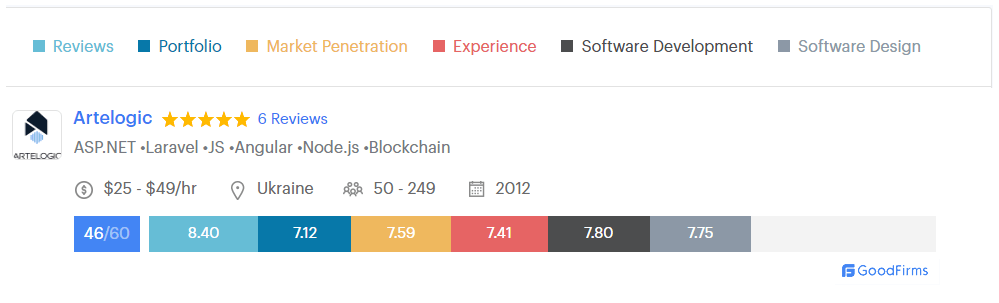
The below-stated scorecard obtained at GoodFirms proves the capabilities of the developers at Unicrew.

Talking about maintaining the quality of the software at Unicrew, Tural says that “our quality assurance team helps the clients to find all possible defects and weaknesses in their software before it goes out to the world.” At Unicrew, the professionals offer testing and quality assurance services as a stand-alone solution, adhering to the most eminent QA standards. The expert team of QA work according to the flexible principles and efficiently cooperate with other application development divisions. Thus, by providing bug-free software solutions, the proficient team of QA facilitates Unicrew to thrive amongst top software testing companies in Lviv at GoodFirms.

Having read the introductory article about Unicrew and its services, one can also have a glimpse of the detailed article to know more about its maintenance services, cost deciding parameters, and a few other things.

About GoodFirms

Washington, D.C. based GoodFirms is a maverick B2B research and reviews company that helps in finding software development and software testing companies rendering best services to its customers. GoodFirms’ extensive research process ranks the companies, boosts their online reputation and helps service seekers pick the right technology partner that meets their business needs.

About the Author

Anna Stark is presently working as a Content Writer with GoodFirms – Washington D.C. based B2B Research Company, which bridges the gap between service seekers and service providers. Anna’s current role lingers her to shape every company’s performance and critical attributes into words. She firmly believes in the magic of words and equips new strategies that work, always in with ideas, something new to carve, and something original to decorate the firm’s identity.

How Does Technology Change the Way of Shipping?

On it’s way from the supplier to the final customer, any product passes a considerable chain of operations – packaging, sorting according to dimensions and destination, loading into a vehicle, unloading from transport, delivery at the buyer’s address, etc. The customer, at the same time, should have the possibility of tracking the cargo’s path during the delivery process and choose the most convenient delivery method. 

Modern logistics technologies that affect the ways of cargo delivery are developing in two directions:

  1. Development and improvement of the logistics software. The main task of today’s logistics software products lies in the field of automation and searching for rational sorting and delivery solutions.
  2. Elaboration and implementation of technical means that are capable of transporting cargo with minimal human intervention. Such processes are expressed both in the introduction of robotization/automation of the sorting processes, cargo delivery, and remote control.

The rapid development of these technologies allows minimizing the amount of human labor, eliminating errors and delays in delivery.

[NAVIGATION LIST]

The efficiency of the custom software for logistics management, which helps to rationalize the ways and means of transporting goods, depends on the number of tasks solved by such software. The “starting point” for any logistics program is the moment when the delivery order receipt is created. The customer specifies the transportation method, delivery time, and location. After placing the order, the logistics program calculates the cheapest and fastest way of delivery, monitors the delivery schedule, and it’s execution.

Logistics software often has the following functions:

  • Navigation helps to draw up the shortest transport routes taking into account the traffic jams, detours, weather conditions.
  • Logistic planning allows minimizing the expenses by selecting the most optimal vehicles and loads.
  • Tracking the movement of the vehicles and rationalizing the routes.

Today’s general trend in the logistics sector is a decrease in the number of vehicle drivers, couriers, porters, and sorters. Their functions are successfully carried out by technical means, which do not require permanent human control and intervention.

Drones

The past few years saw a sharp increase in the usage of drones for small cargo transportation. Drones, in fact, started to perform those tasks that were previously intended to walking and cycling couriers, or to local car deliveries. The use of unmanned aerial vehicles (UAV) in large cities became especially justified. Here drones can lift up the cargo to a considerable height and deliver packages to any floor. 

Currently, drones transport loads of up to 10 kg. The unmanned aerial transport market research states that the use of UAVs will become more and more widespread, and the increase in the unmanned airborne cargo transport on a global market will be about 21% annually.

Warehouse Robotization and Automation

Another promising trend in logistics is the introduction of self-learned robots that can make independent decisions. Robots are excellent manipulators and are capable of sorting, packaging, transferring parcels from racks to a truck, and other similar tasks. Such automated warehouses accelerate and simplify storage logistics processes and minimize errors during any goods manipulation. According to analysts of Amazon  – the world’s most extensive online trading platform – the robots’ use can reduce the logistics costs of any product by 20-40%, compared to the manual processing.

Unmanned Transports

The delivery of orders with automated vehicles becomes more and more customary now. The increasingly sophisticated autopilots allow them to navigate the traffic safely, avoid other cars, and strictly follow the traffic rules. As of today, such automobiles do not develop high speeds, do not travel far, and are designed for city use mostly. Nevertheless, a lot of tech companies promote respective research and develop high-load unmanned trucks. Take for instance Tesla Semi electro trucks, which already have reached the stage of field testing.

The main task of logistics is finding the fastest and least expensive algorithms for the distribution of goods. The introduction of technical means for managing the cargo with minimal human intervention, or even without it, dictates the main trends of today’s logistics technologies development.

Conclusion

In reality, not every company can afford the introduction of technological innovations such as drones, robots, and other interesting new products into their daily practice. The high cost of innovation is a major barrier for many businesses. While global corporations such as Amazon have sizeable research and adoption budgets, such expenses can be inadmissible for smaller regional companies.

Nonetheless, the custom software that allows optimizing the logistics activities is quite economical for any company that deals with deliveries. It always turns out to be cost-effective, as it helps to save on vehicle fuel, employee time, and other expenses. The logistic software products that we create are of this type – the calculation of logistic tasks with its help becomes faster, and the proposed solutions are always the most rational.  

Challenges in Managing Real Estate Business without an Efficient Proptech System

In recent years, the real estate sector has been actively enriched with new solutions based on digital technologies. This applies not only to world-famous projects like 3D printers that print buildings, but also to much more modest ones such as desktop applications for managing real estate. Below we will talk about the challenges that such applications can handle in more detail. 

So, let’s find out what aspects of running a real estate business can be solved by an efficient Proptech system.

  • Ensuring competitiveness. How do you think: what do customers (potential and already existing) think of a company that launches its own digital-based solution on the market? Most likely they think that this company is trying to be in trend and offer its customers “the best of the best”. Of course, this directly influences the competitiveness of such companies: while competitors use Excel to store data on current real estate offers, the company in question is actively introducing something much more modern. Therefore, realizing that the launch of real estate management software is a way to create a fairly effective PR for the company will help you reach a stable leadership position in the market.
  • Scaling. The main reason for the slowing development of a business is usually the lack of proper funding. Software solutions can take a share of responsibility for the implementation of certain business tasks, eliminating the urgent need to organize full-fledged workplaces for new employees. At the same time, the initial investment allocated for the development pays off very quickly, as the customer base expands (and in the case of solutions based on multi-listing systems, it grows extremely fast). In particular, such solutions have proven themselves to be very effective in situations where there is a need to open new offices. Thanks to these solutions, you get a centralized database that can be used not only from a remote office, but also on the go, from a smartphone or tablet.
  • Data synchronization. While we are on the subject of multi-listing systems, it is worth noting that software solutions based on them can help even small companies with less than a dozen agents working directly with clients. The fact is that such systems contain all the relevant offers in the region, so it does not matter who the specific object is assigned to — your agency or your competitor’s agency. Thus, your company obtains global awareness: about the pricing, about the quantity of supply and demand, as well as about other data important for high-quality customer service.
  • Automation of manual labor. Are you familiar with the curious forecasts that by 2020 about 260 million people will have lost their jobs thanks to artificial intelligence? In fact, we believe that this should not be feared: on the contrary, entrepreneurs will have much more opportunities to expand their business and open new jobs. As for the real estate sector, automation can significantly improve the quality of customer service (for example, due to CRM systems). Conversely, companies that neglect the introduction of such software run the risk of suffering serious losses due to the inattentiveness of employees in the long run.
  • Planning budget for the implementation of business needs. Finally, one of the main reasons why real estate entrepreneurs are so actively implementing software for managing facilities and client data: this significantly reduces the cost of implementing business needs. This is due not only to a decrease in the need to open new jobs for human workers, but also to a decrease in the risks associated with the human factor, which often leads companies (not only in real estate, but in general) to serious losses.
  • As you can see, these challenges are significant enough to seriously consider real estate management software development. Therefore, do not hesitate to digitize your own business before someone else does it first.

Direct to Customers with Seamless Logistics Tech Trends

The number of people buying goods online is rising every day, and it is predicted to rise even more. With record sales numbers, retailers are forced to look for a way to deliver orders that will be both effective and profitable.

Users have their expectations about the delivery as well, most turning to the free and fast option if they have a chance. This is the reason why direct-to-customer delivery is growing in popularity. The latest tech trends in logistics are focused on improving it as well. So, let’s review some of the directions the industry has taken and is going to take in the nearest future. 

[NAVIGATION LIST]

Internet of Things is indispensable when it comes to cargo delivery. Real-time tracking, warehouse management, and resource consumption analytics would be impossible without device interconnection. Furthermore, its importance is expected to grow even further, with the addition of more sophisticated tech to basic passive sensors.

The IoT evolution will impact both the delivery speed and efficiency and users’ experience. For example, the communication between the cargo and smart systems in the endpoint will ensure the order’s security, even if no one is home. 

DTC delivery future cannot be discussed without mentioning autonomous vehicles. Unfortunately, direct delivery by self-driving car is still far away from reality. New tests are being conducted every day, new vehicle models improving with each iteration, so the hope is not lost.

However, autonomous drone delivery is already a reality. Amazon first announced its Prime Air program in 2013, launched its first public test in 2016, and continues to improve it to this day. In 2019, they plan to launch a new drone with improved air control, security features, and a better machine learning algorithm. 

 AI, machine learning and big data solutions are expected to change multiple industries in the nearest future. Logistics and direct-to-customer delivery are definitely among them. Here are just some of the aspects AI could be applied to:

  • Natural language processing – a language processing machine learning algorithm can be used to improve the efficiency of order handling;
  • Digital delivery system copy – to improve the analysis of the whole delivery system, AI can gather all the data about it and create a digital copy, which can then be processed and optimized by any parameter you want;
  • Advanced role in robotics – as a combination of IoT and AI, the use of robotics is going to be essential in warehouse management and have a crucial role in direct-to-customer delivery overall.

According to many experts, blockchain is considered to be a part of the future of logistics. It can ensure the security of each operation and protect the customer’s personal data. In addition, it can be used for multiple processes automation and independence.

Other experts, however, claim that the popularity of blockchain will soon die out. Multiple startups are considered to be either too hard to realize or not cost-effective at all. So, if you’re planning to invest in a blockchain – be wary of all possible outcomes.

In Conclusion

Keeping up with constantly evolving technology is a hard task. When it comes to logistics and direct-to-customer delivery, it is especially true. Most technologies mentioned on this list require assistance from an expert for a successful implementation.

If you feel that you’re behind your competitors in terms of innovation, don’t worry. The custom software for logistics management we develop can help you to improve your delivery system, better understand your business, and integrate any new technology you see fit. So, don’t waste your time: contact us right away.